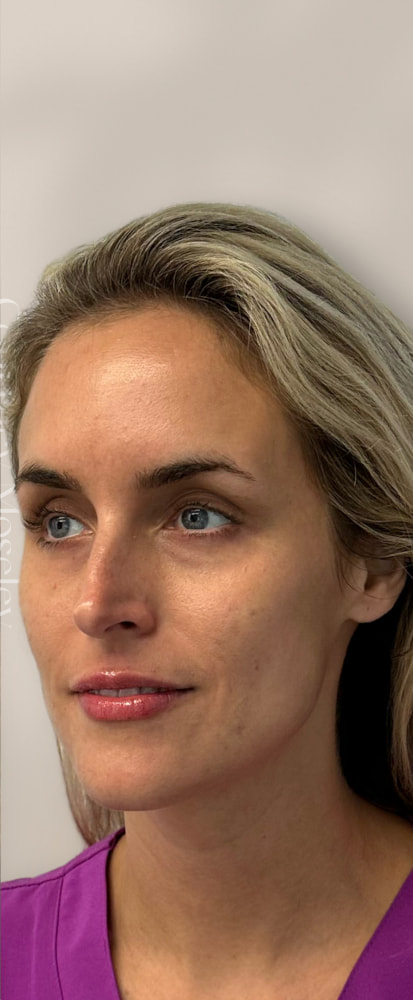
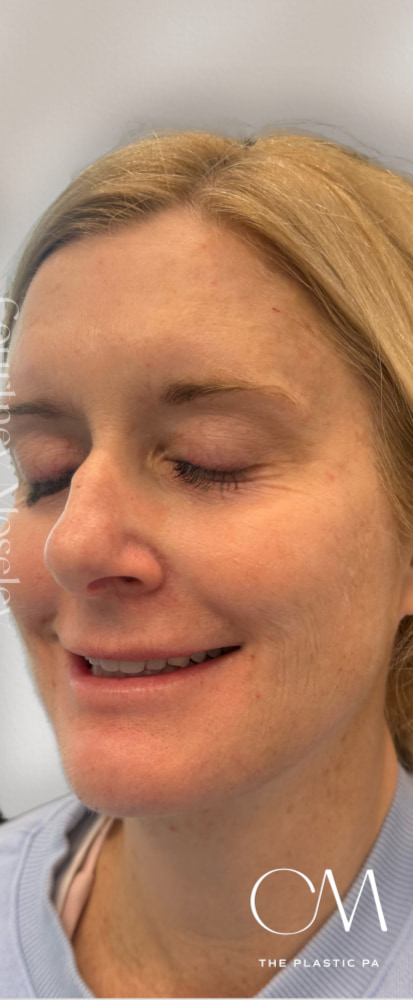
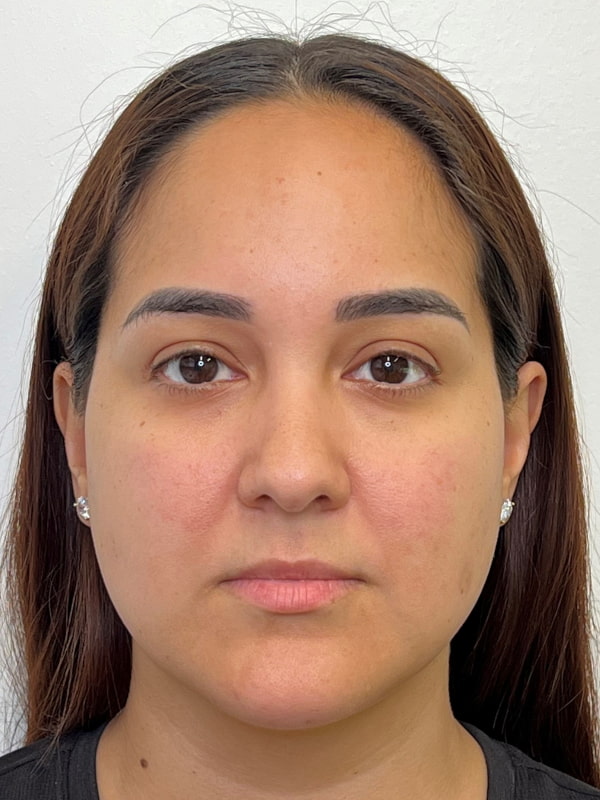
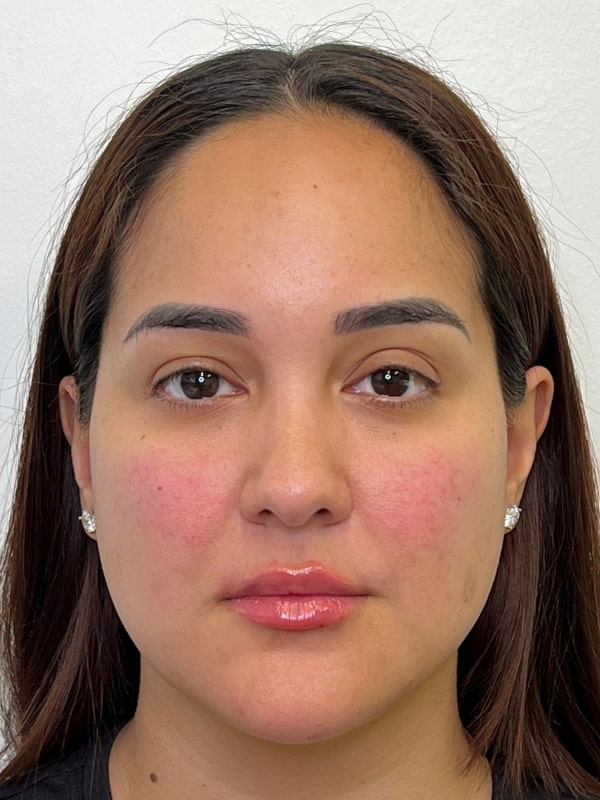
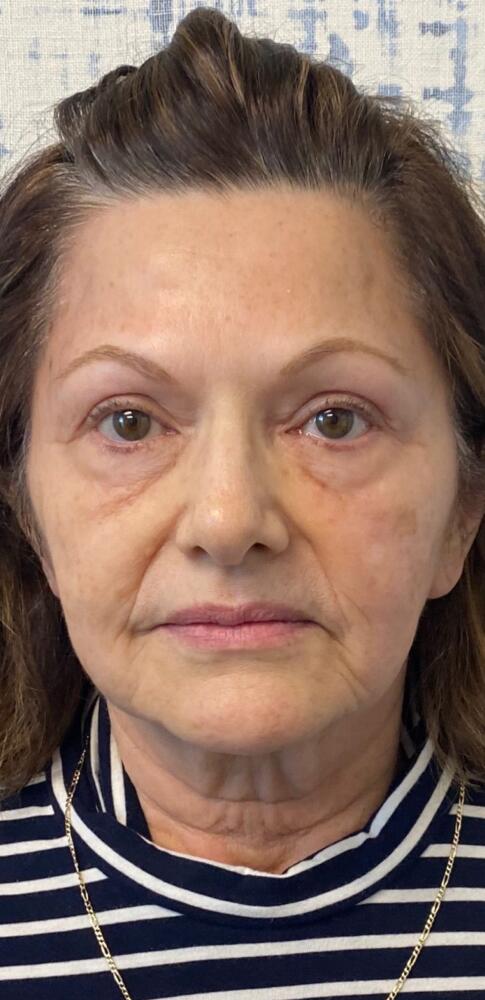
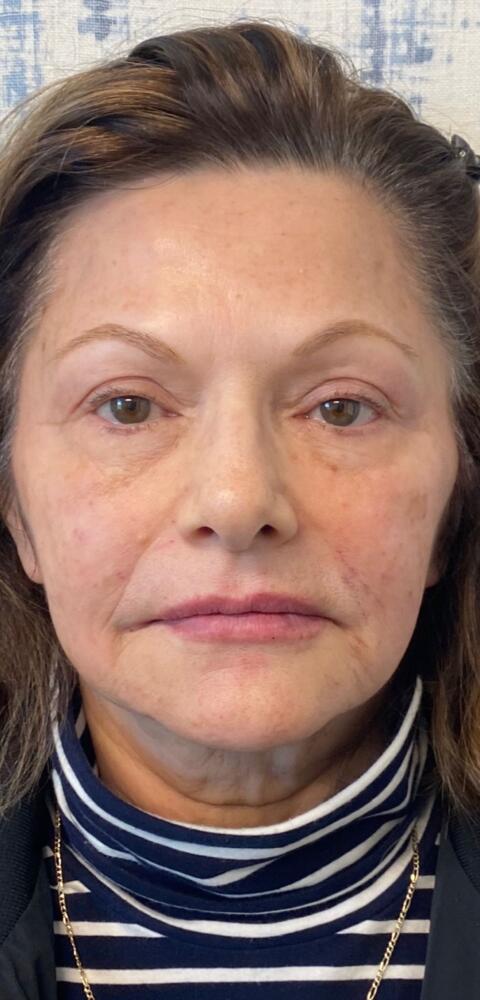
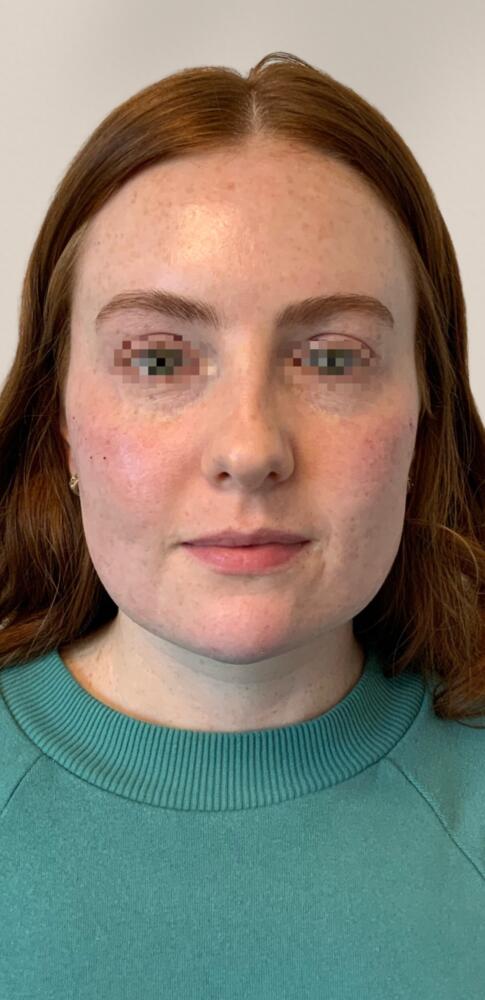
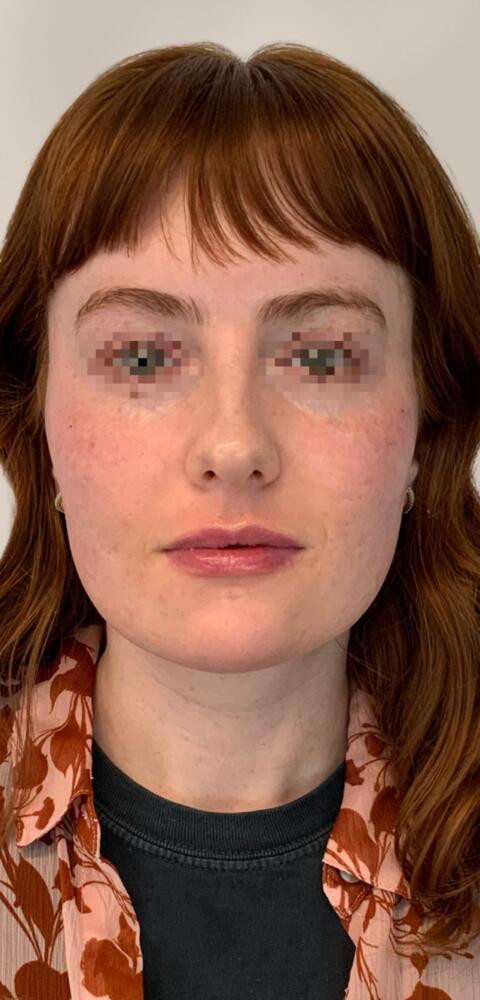
Some patients come in knowing exactly what they want. Others point to a photo and say, “I can’t tell what feels off, but something feels off.” The lips may look under-supported. The chin may appear slightly recessed relative to the rest of the face. The cheeks may have lost shape. The jawline may pull more attention than they want.
Facial balancing at Aesthetic Surgery of Charlotte is a non-surgical approach to those small proportion shifts. Instead of treating one feature in isolation, the esthetic artists on our team look at the entire face: the lips, cheeks, chin, jawline, facial structure, and how each feature moves in real life.
Actual Patient
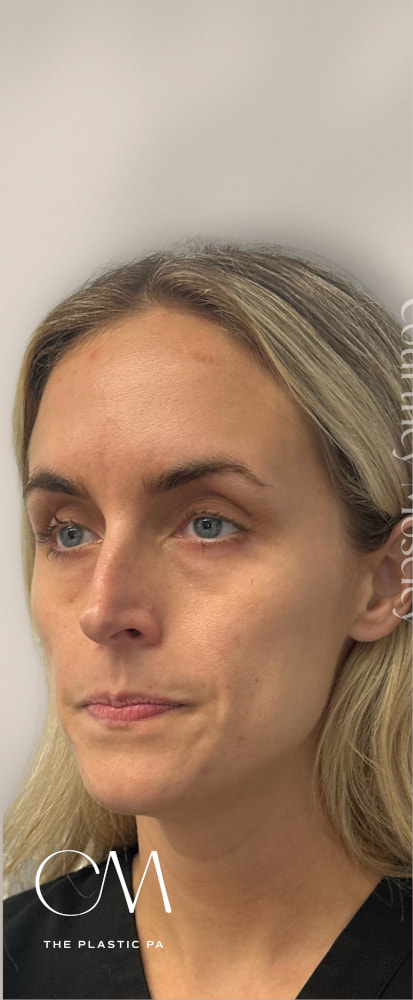
A More Balanced Read
Facial balancing is a comprehensive, non-surgical cosmetic approach that uses dermal fillers, hyaluronic acid fillers, Botox, Dysport, and other injectables to improve facial symmetry, restore volume loss, refine contours, and enhance overall facial harmony across the lips, cheeks, chin, jawline, and surrounding features.
At A Glance
| Best For | Facial harmony, mild asymmetry, volume loss, profile balance, contour refinement |
| Treatment Type | Non-surgical injectable treatment using fillers, Botox, Dysport, or a combination |
| Common Areas | Lips, cheeks, chin, jawline, masseters, smile lines, skin surface |
| Downtime | Mild for most patients |
| Pain Level | Small pinches, pressure, brief stinging |
| Comfort | Numbing agents may be used to minimize discomfort |
| Appointment Length | About 30–60 minutes |
| Results | Filler appears right away; Botox and Dysport take up to 2 weeks |
| Longevity | About 6–24 months, depending on product and treated areas |
| Best Approach | Conservative correction with a personalized plan |
Where Proportion Gets Lost
Facial balancing can help when one feature feels out of proportion with the rest of the face. It can also restore and support what has changed with aging, weight shifts, muscle activity, or volume loss.
Facial balancing may address:
This is where the art of injectables comes in. Sometimes the treatment is filler to add volume in the cheeks. Sometimes it’s chin support. Sometimes Botox or Dysport can enhance facial balance by relaxing a strong muscle. A personalized approach helps the provider choose the smallest change that creates a natural-looking result.
Small Changes, Better Balance
Facial balancing gives the provider room to treat proportion instead of chasing one line or one feature. For the right patient, that approach can create a more natural appearance than adding volume to a single area without considering the rest of the face.
Benefits may include:
Most people do not want to look like they had “work done.” They want their features to complement one another, leaving them looking refreshed, confident, and unmistakably like themselves. Facial balancing aims for that kind of natural result.
The Right Face for It
A good candidate for facial balancing wants refinement without surgery. Good health, realistic expectations, and mild to moderate concerns are important. The treatment is well-suited for patients who want quick results with limited downtime.
You may be a good candidate if you:
Facial balancing may not be the right treatment if you have significant skin laxity, advanced jowling, heavy neck looseness, active infection, certain medical concerns, or expectations that fillers can replace surgery.
Some patients need surgical options for the result they want. Others may need laser treatment, skin care, or a staged injectable plan before adding more volume. We’ll walk you through the options during consultation and explain what can be improved with injectables and what may need another path.
The Tools of Balance
Facial balancing may include dermal fillers, hyaluronic acid fillers, Botox, Dysport, Sculptra, or a combination of treatments. The plan depends on the face, the tissue, and the goal.
Lip filler can improve shape, hydration, border definition, and gentle volume. At Aesthetic Surgery of Charlotte, the goal is not to make every lip look the same. The best lip filler respects the patient’s natural shape and the proportions of the entire face.
For some patients, the upper lip needs more definition. For others, the lower lip needs support, or the corners of the mouth need a small lift. A balanced lip result should move well, photograph well, and sit comfortably with the chin, nose, and smile.
Cheek fillers can restore soft support in the midface. When the cheeks lose volume, the face can look flatter, tired, or heavier around the lower third. Careful cheek placement can enhance shape without creating a puffy look.
Hyaluronic acid fillers are commonly used in facial balancing because they can restore volume with control. We treat cheeks with restraint. Some patients need lift. Some need contour. Some need a small amount of product placed with precision.
Chin and jawline filler can improve lower-face balance and profile support. A small amount of chin projection can change how the lips, nose, and neck relate to one another. It can also make the lower face look more grounded.
Jawline filler may help sharpen the border between the face and neck in patients with mild softness. This area needs careful planning. Too much product can make the lower face look heavier, so we may recommend another option if filler is not the right tool.
Masseter slimming uses Botox, Dysport, or another neuromodulator to relax the masseter muscles along the back of the jaw. These muscles can grow stronger from clenching, grinding, or natural muscle size, giving the lower face a wider shape.
As the muscle relaxes, the jawline can look softer and more tapered over time. This works best when muscle bulk is the cause of the width. If bone structure, fat, or loose skin is driving the concern, the treatment plan may need to change.
PRF and EZ Gel use components from the patient’s own blood to support natural-looking facial rejuvenation. After a small blood draw, the sample is processed to concentrate platelets, fibrin, and growth factors. EZ Gel creates a gel-like consistency that can be placed in areas needing gentle support.
These treatments may help improve under-eye hollows, mild volume loss, fine lines, and overall skin quality. Results develop gradually as the tissue responds, making PRF and EZ Gel useful for patients who prefer a regenerative approach to facial balancing.
Sculptra can be used in facial balancing when the face needs gradual volume support rather than immediate filler correction. It works by stimulating collagen production, which can help improve facial fullness, skin firmness, and soft contour over time.
Sculptra is often a good fit for patients with broader volume loss in areas like the cheeks, temples, or lower face. The change builds slowly, so it suits patients who want a refreshed look that develops in stages instead of an instant shift.
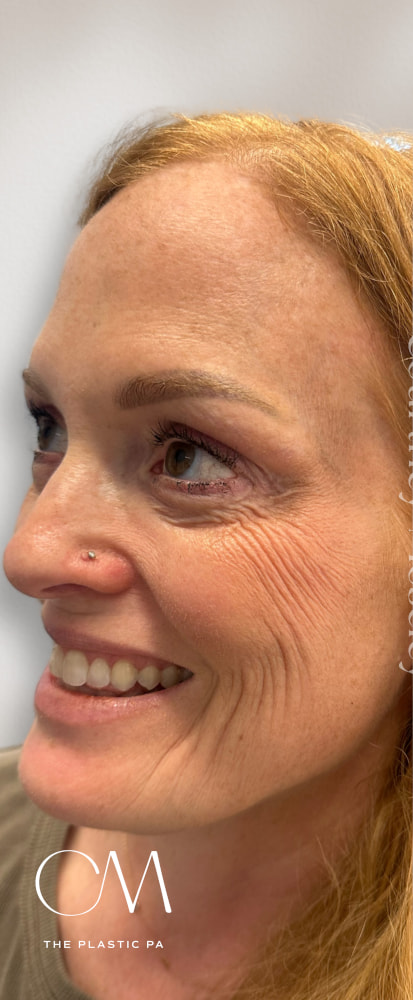
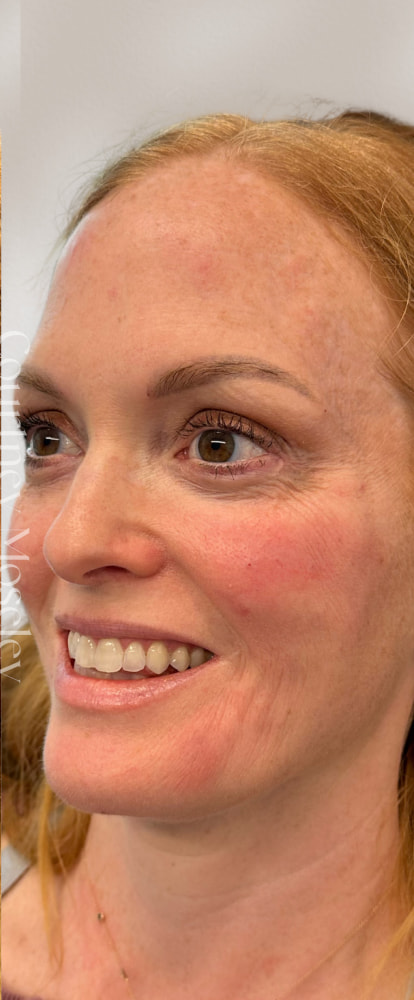
Actual Patient
The Appointment, Step by Step
A facial balancing appointment starts with assessment. Our team looks at the face from the front, side, and three-quarter views. We also watch how the face moves when you smile, speak, and rest.
From there, the provider builds a personalized plan. Some patients can be treated the same day. Others benefit from staging, especially if many fillers or several targeted areas are involved. Staging gives the face time to settle and helps avoid overcorrection.
A typical appointment may include:
Filler may feel like pressure, brief stinging, or a deeper ache in structural areas such as the chin or jawline. Neuromodulator injections feel quicker, closer to tiny pinches. Lip filler tends to be more sensitive, but numbing agents and careful technique help minimize discomfort.
Let the Face Settle
Recovery after facial balancing is mild for most patients. Mild swelling, tenderness, redness, and bruising can happen, especially after fillers. These effects fade as the treated areas settle.
The treated areas may feel tender or look swollen. Bruising can appear the same day or the next morning. We may recommend avoiding strenuous exercise, alcohol, and unnecessary pressure on the injection sites during this window.
Patients taking blood-thinning medications or supplements may bruise more. Do not stop prescribed medication without speaking with the prescribing provider.
Filler can look fuller before it settles. Lips and areas near the under-eye region tend to swell more than firmer areas like the chin or jawline. Keeping your head elevated after treatment can help swelling move in the right direction.
Most filler swelling settles during this period, and the treated areas begin to look more natural. Botox and Dysport continue to take effect. This is the better window for judging facial balancing results.
Call us if you notice unusual pain, skin color changes, severe swelling, or symptoms that feel out of proportion to normal tenderness. The team would rather hear from you early.
The Reveal Has Phases
Filler results are visible right away, though swelling can make the area look fuller at first. Botox and Dysport take longer because the muscle has to relax. The full effect depends on the product, treatment area, and how your face responds.
| Treatment | Early Result | Full Effect |
|---|---|---|
| Lip Filler | Same day with swelling | About 1–2 weeks |
| Cheek Filler | Same day | About 1–2 weeks |
| Chin/Jawline Filler | Same day | About 1–2 weeks |
| Botox or Dysport | 3–7 days | About 2 weeks |
| Masseter Slimming | 3–6 weeks | Several weeks to a few months |
| Sculptra | Gradual change over several weeks | Often 2–3 months after a treatment series |
The first few days are not the final read. Let swelling settle. Let muscle treatments take effect. The face needs time to show the plan.
Balance Needs Maintenance
Facial balancing results can last about 6–24 months, depending on the products used, treated areas, dose, metabolism, and movement in the area.
Lip filler may last about 6–12 months. Cheek, chin, and jawline filler can last closer to 12–24 months, depending on the product used and how the patient metabolizes it. Botox and Dysport often last about 3–4 months. Masseter slimming may need maintenance every 3–6 months, especially in patients who clench or grind. Sculptra can last up to two years or longer for some patients because it works by supporting collagen production over time.
Regular touch ups can help maintain the result without rebuilding the entire plan each time. The face changes. The treatment plan should change with it.
Priced by the Plan
The cost of facial balancing in Charlotte depends on the targeted areas, the products used, the amount of filler or neuromodulator needed, and whether the plan is completed in one visit or staged across several appointments.
A small lip or chin refinement costs less than a full-face injectable plan. Cheek support, jawline structure, masseter slimming, and Sculptra all involve different products, doses, and appointment times.
We can best provide a quote after your consultation, because pricing without seeing the face is guesswork. During the visit, the team can review your aesthetic goals, explain the personalized treatment plan, and discuss financing options. Aesthetic Surgery of Charlotte provides financing with CareCredit®, Alphaeon Credit, and PatientFi for eligible patients.
The Aesthetic Eye
Aesthetic Surgery of Charlotte approaches facial balancing with the same philosophy that guides the practice as a whole: natural results, honest recommendations, and respect for the features that make each patient recognizable.
Led by Dr. Adam C. Augenstein, we bring surgical-level understanding to non-surgical planning. The team does not treat injectables as a quick product sale. They look at facial structure, movement, skin quality, proportions, and safety before recommending treatment.
That may mean fillers. It may mean Botox or Dysport. It may mean skin treatment first. It may mean waiting, staging, or choosing surgery when injectables would fall short. Patients come to us for that expertise.
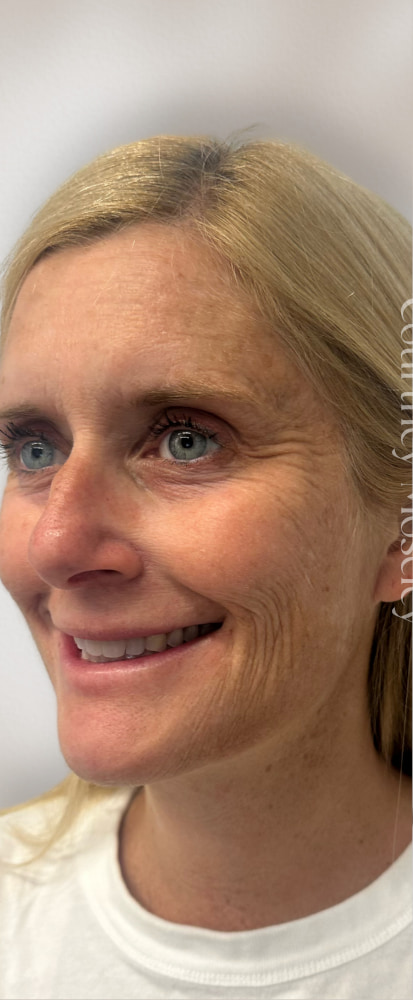
Actual Patient
Start With the Whole Face
A facial balancing consultation gives you a clearer view of what can be improved with injectables and what should be left alone. We’ll assess your facial structure, listen to your goals, and explain which treatments make sense for your features.
Schedule your consultation with Aesthetic Surgery of Charlotte to create a facial balancing plan with restraint, expertise, and a clear understanding of your options.
Facial balancing may include dermal fillers, but it can also include Botox, Dysport, masseter slimming, Sculptra, skin treatments, or staged care. The goal is overall facial harmony, not simply adding volume.
It should not. Overfilled results tend to come from treating one feature too heavily or ignoring the rest of the face. We take a conservative approach and may stage treatment to keep the result natural.
Common areas include the lips, cheeks, chin, jawline, temples, smile lines, and masseter muscles. The exact areas depend on your facial structure, symmetry, goals, and what the provider sees during consultation.
Most facial balancing appointments take about 30–60 minutes, depending on the number of areas treated. More involved plans may be split into more than one visit.
Downtime is usually mild. Swelling, bruising, redness, and tenderness can happen after injectables. Most patients return to daily activities right away. We may recommend avoiding strenuous exercise for 24–48 hours after treatment.
No. Facial balancing can restore volume, refine contours, and soften lines, but it cannot remove loose skin or reposition deeper tissue the way a facelift can. We may recommend surgical options when injectables will not create the right result.
For the highest quality care and results, book your consultation with Dr. Augenstein at Aesthetic Surgery of Charlotte. We can’t wait to help you realize your best life.