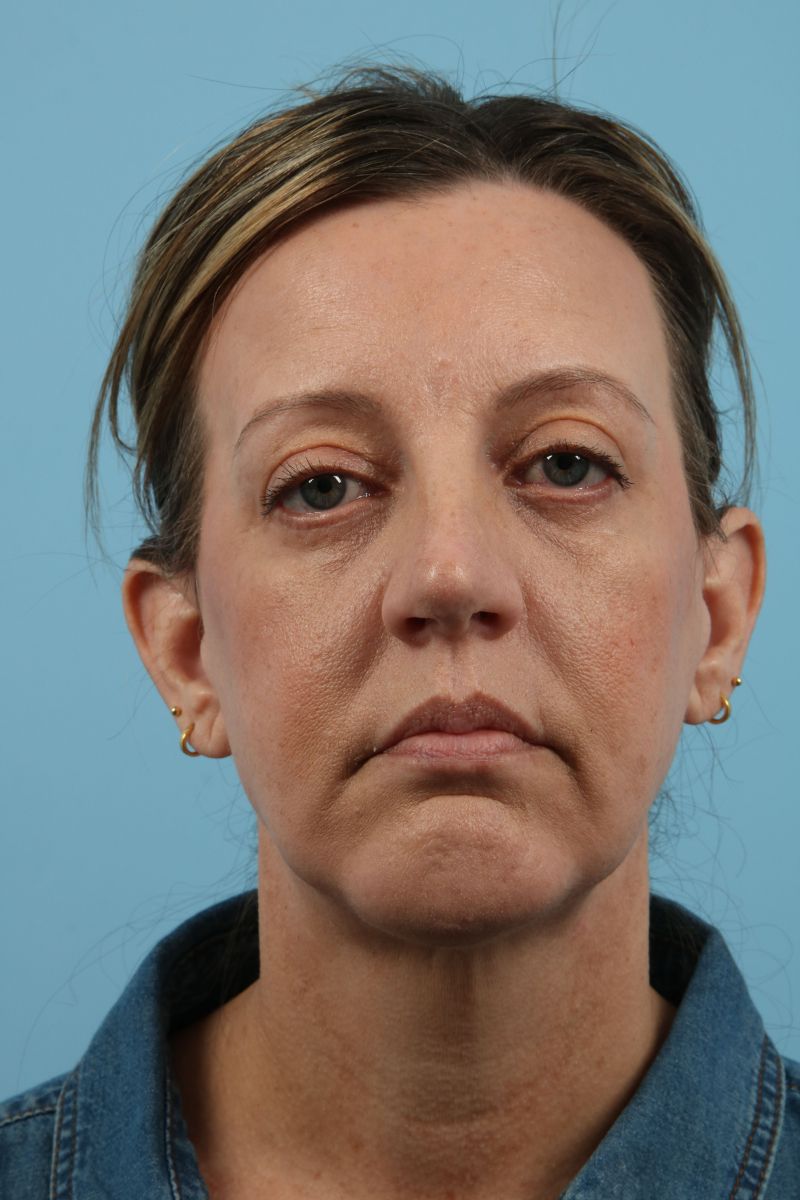
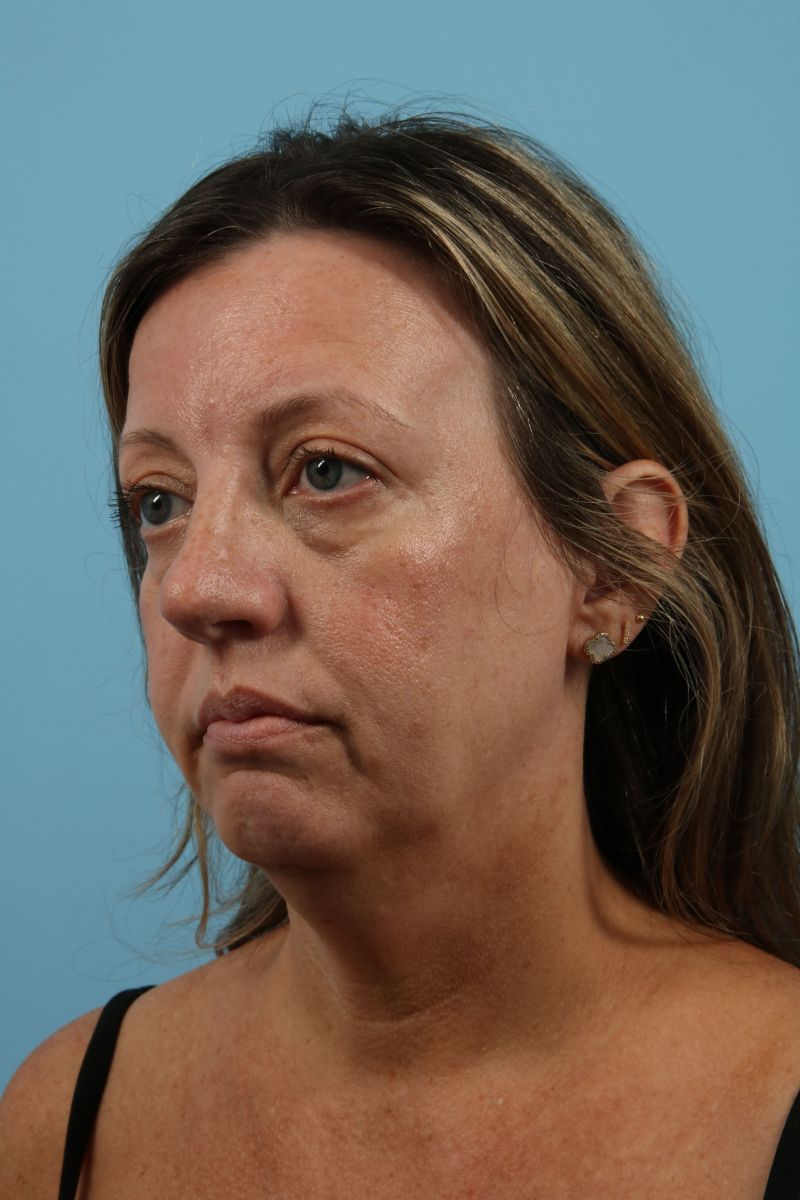
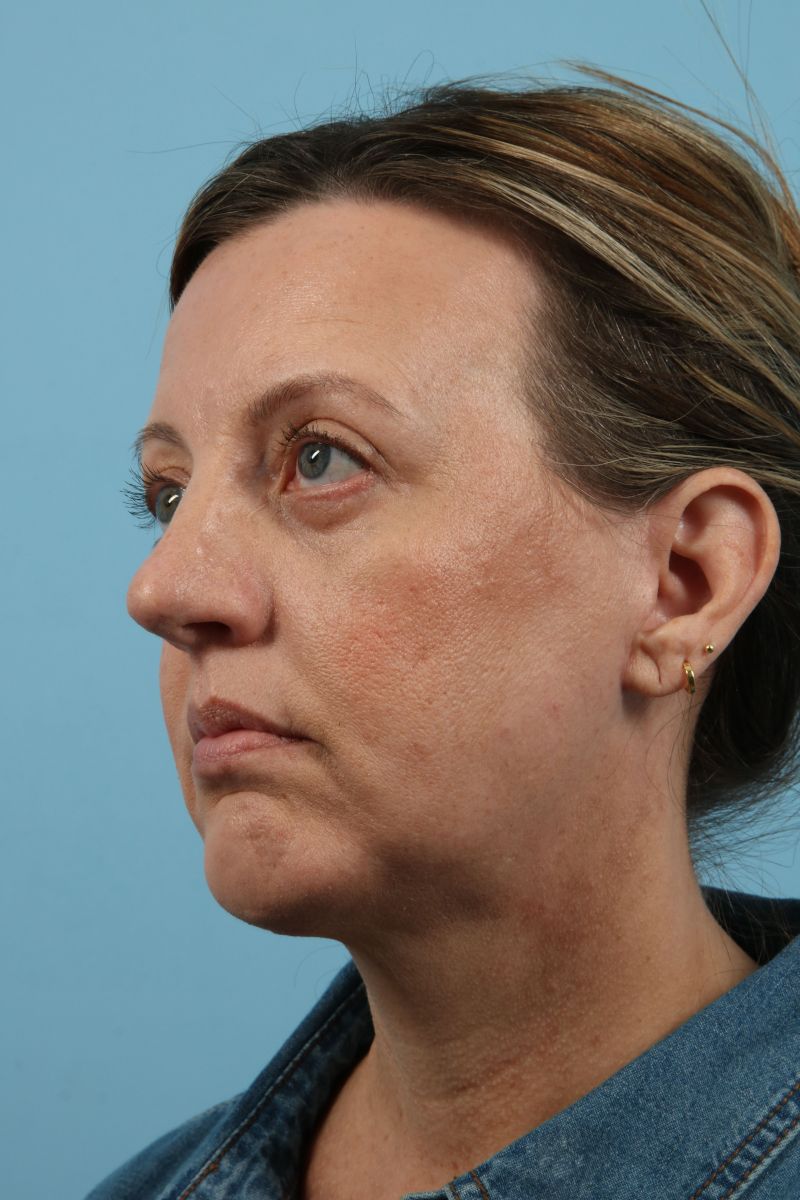
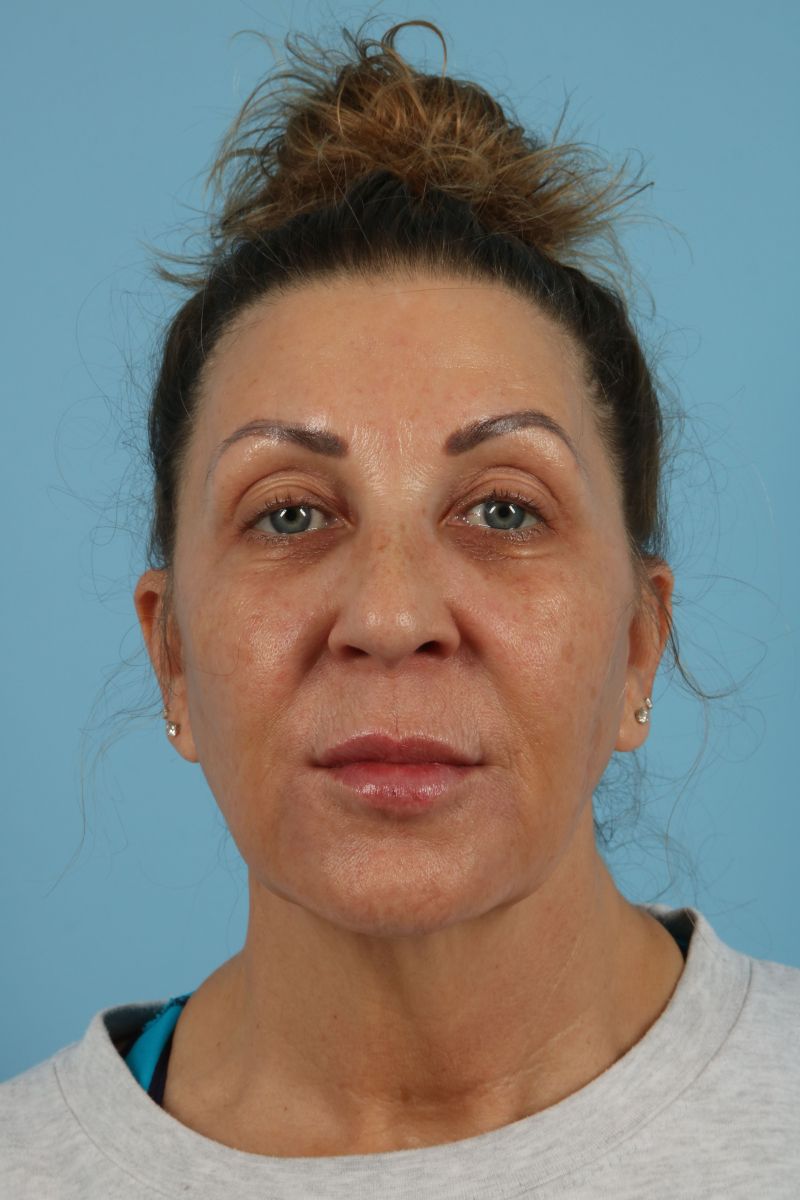
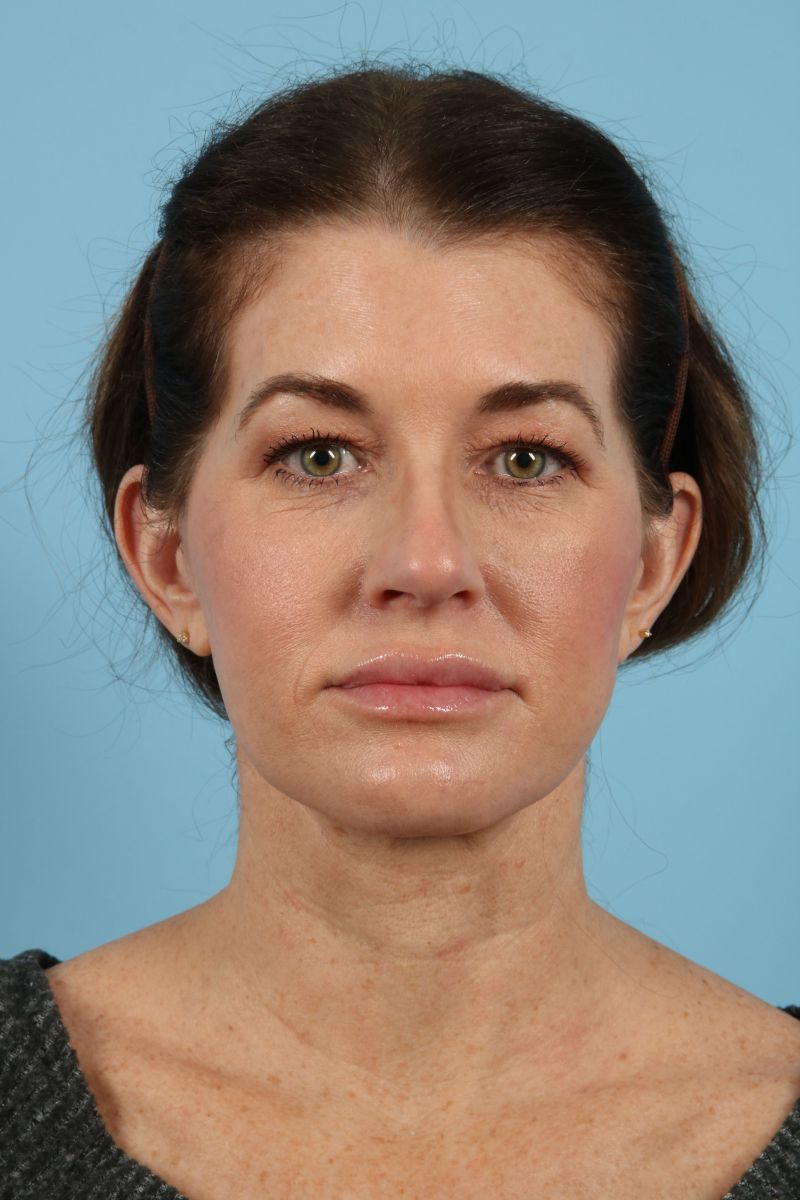
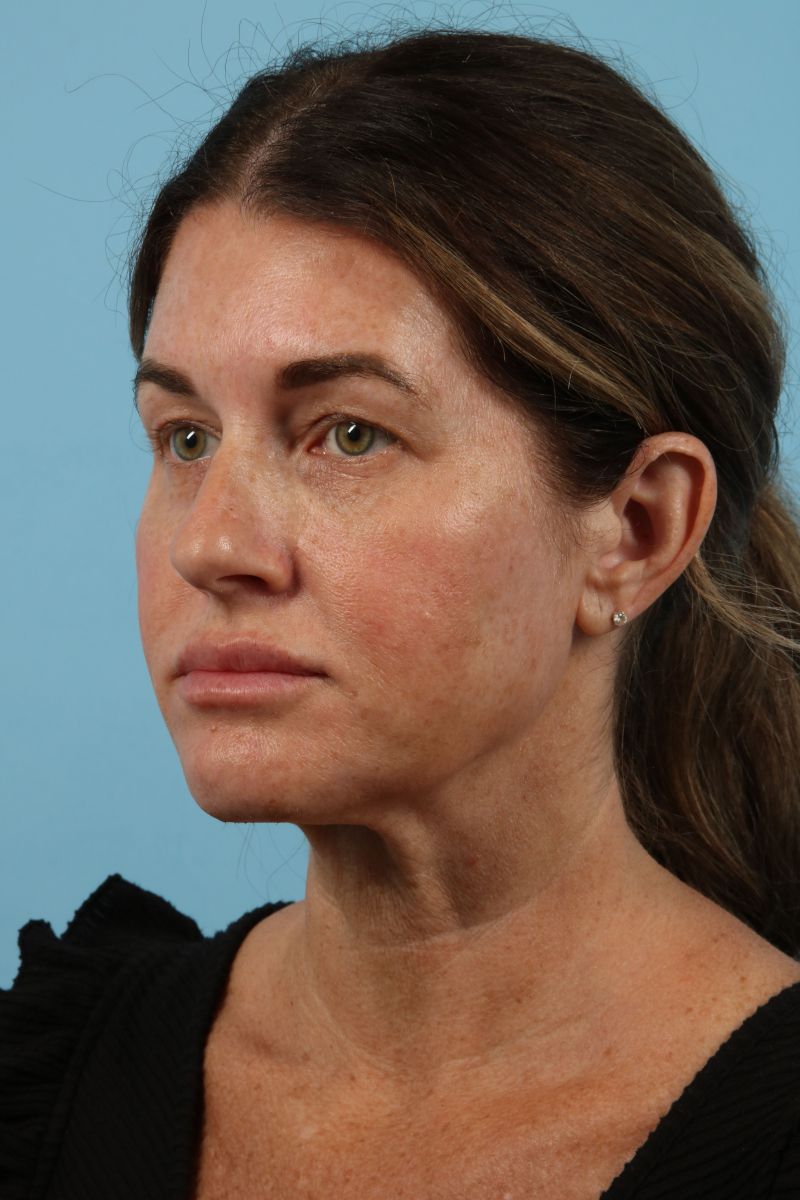
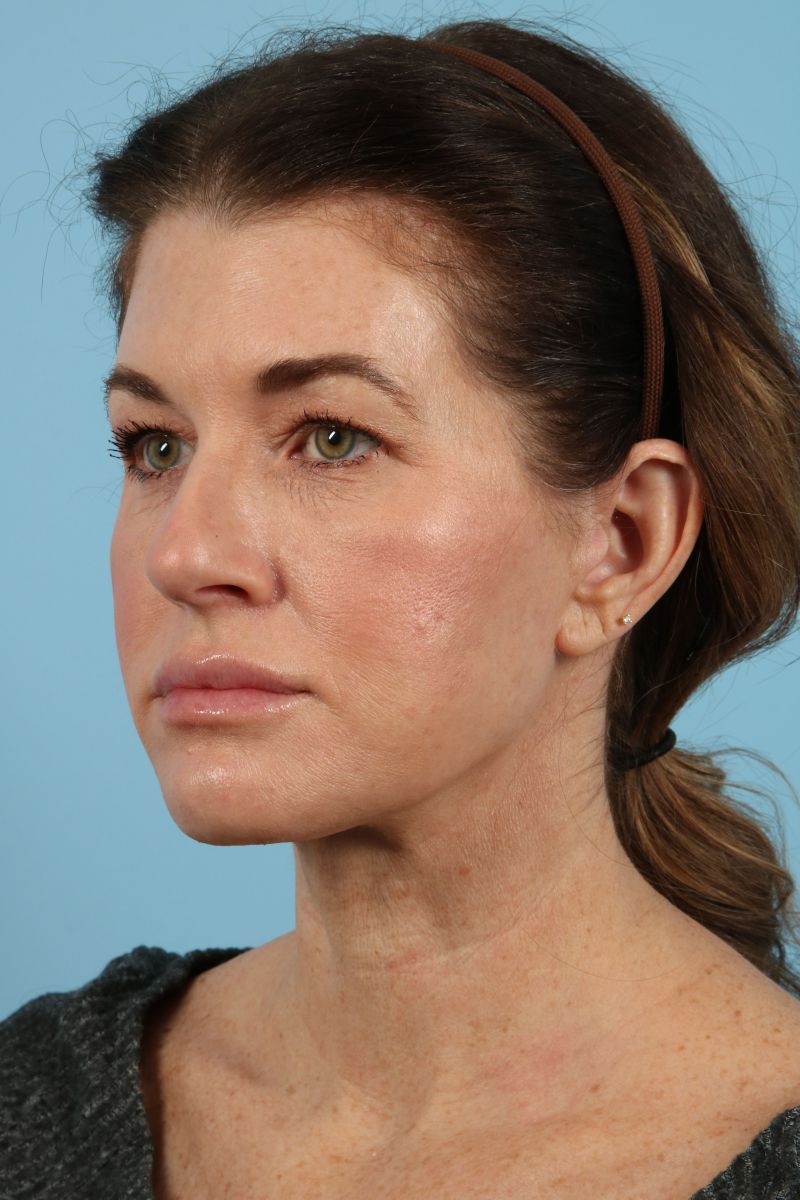
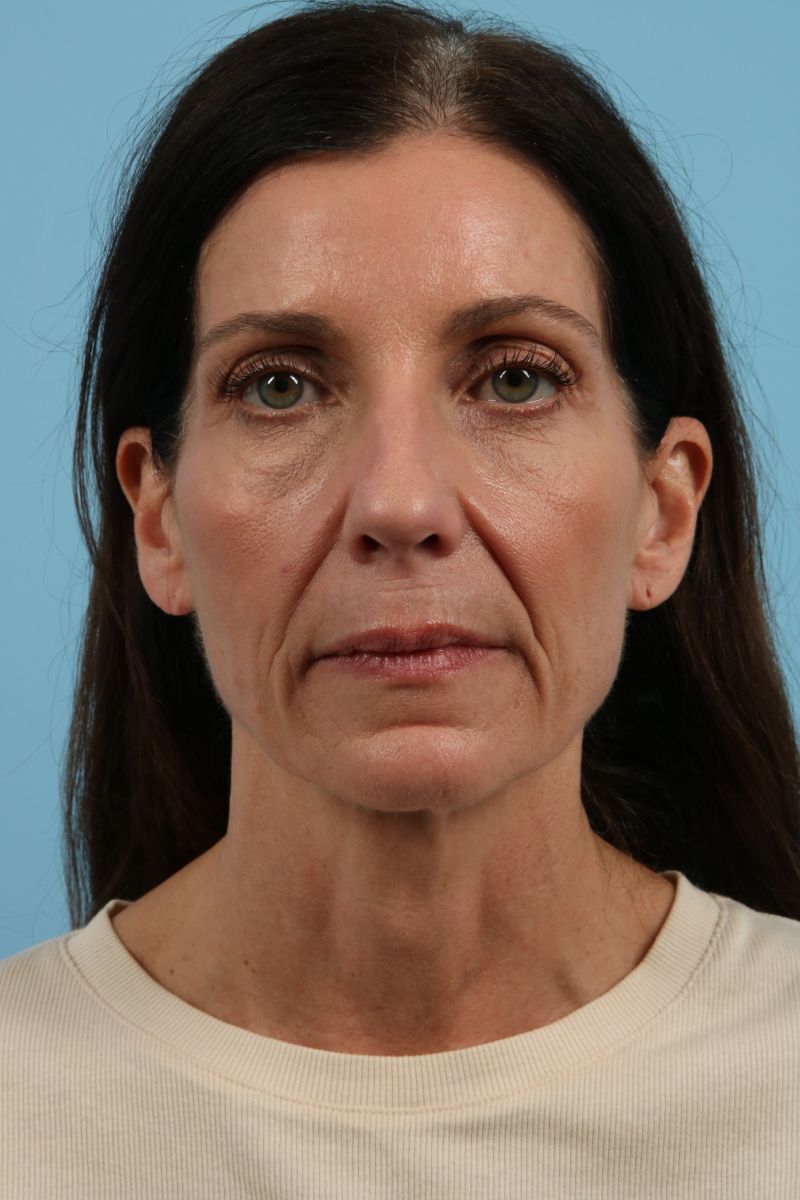
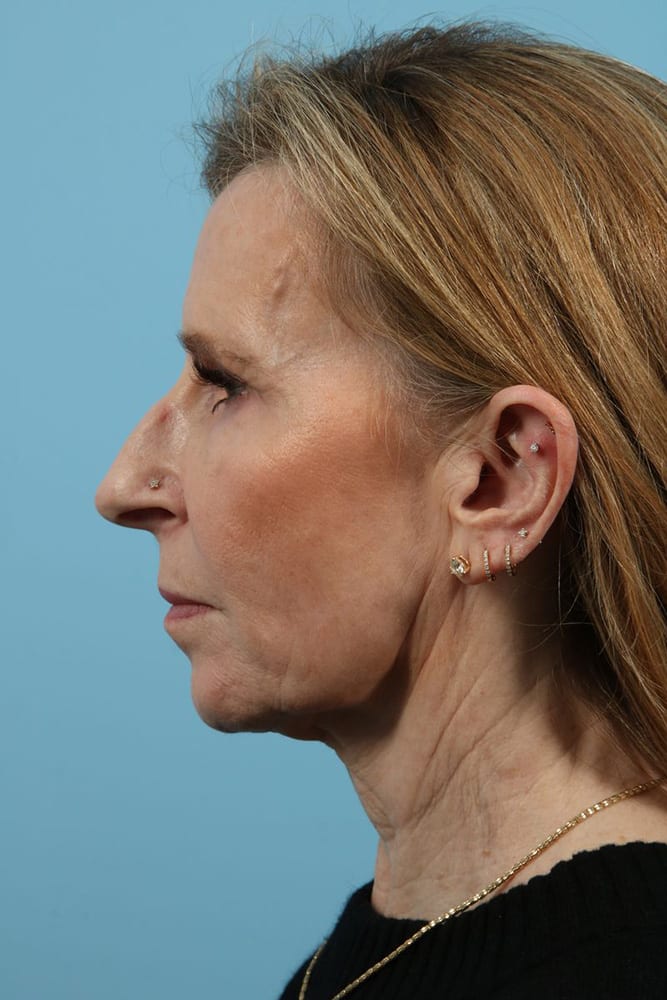
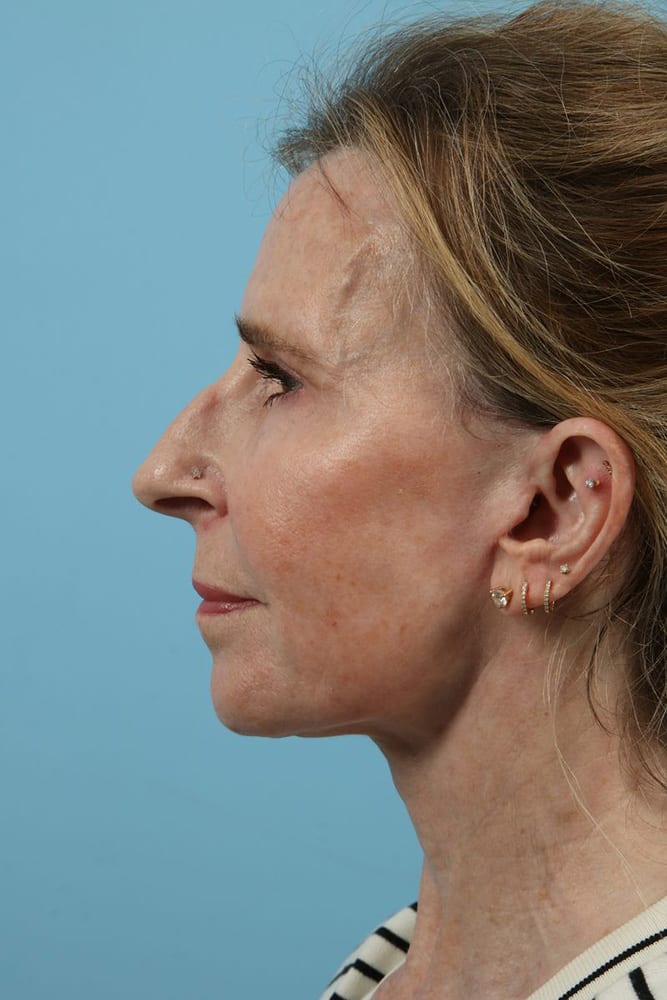
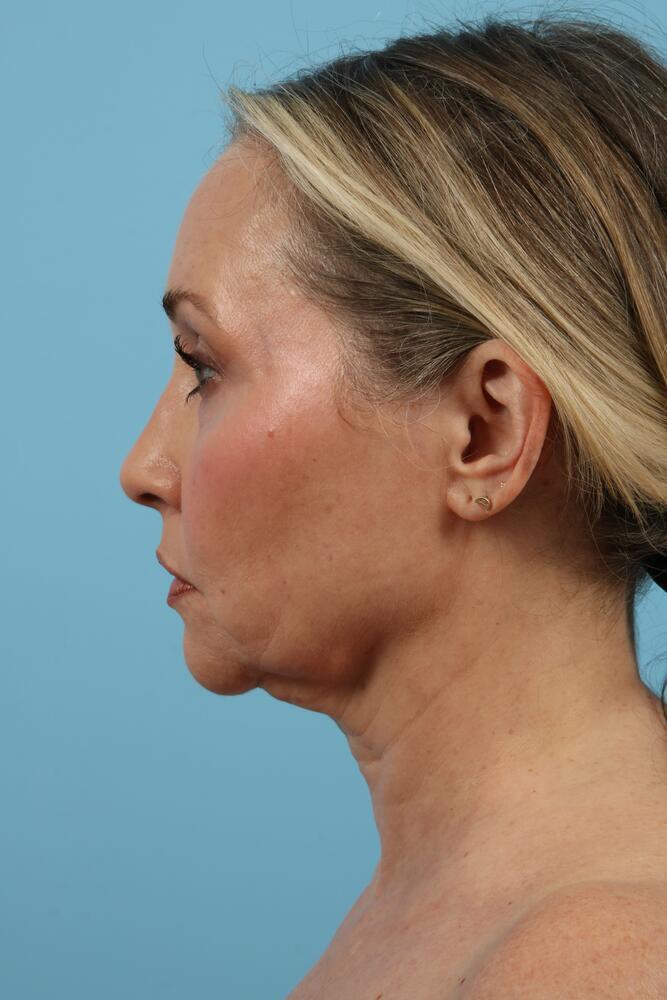
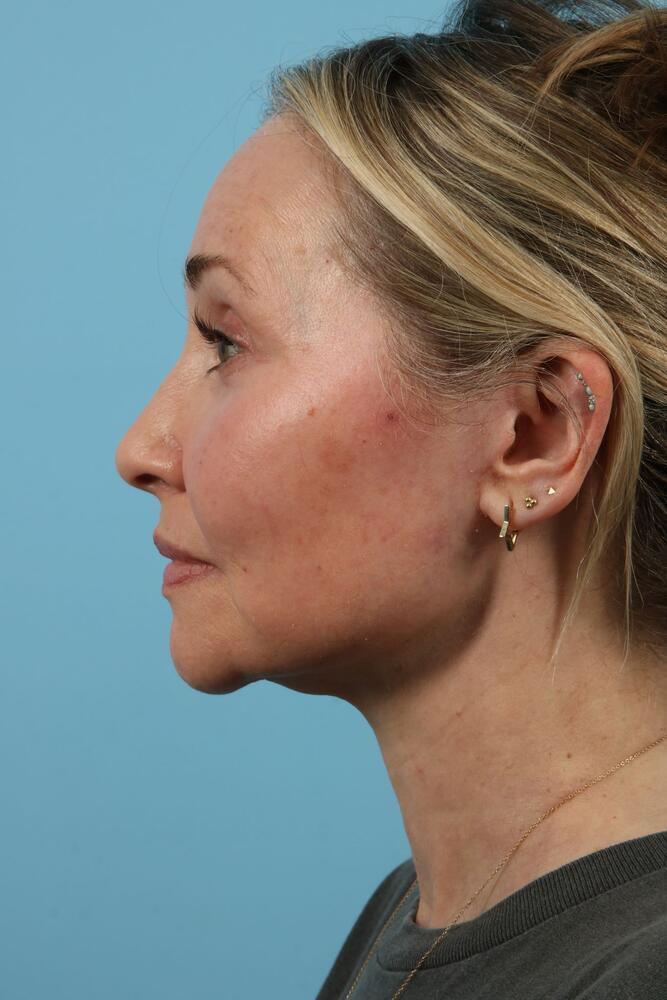
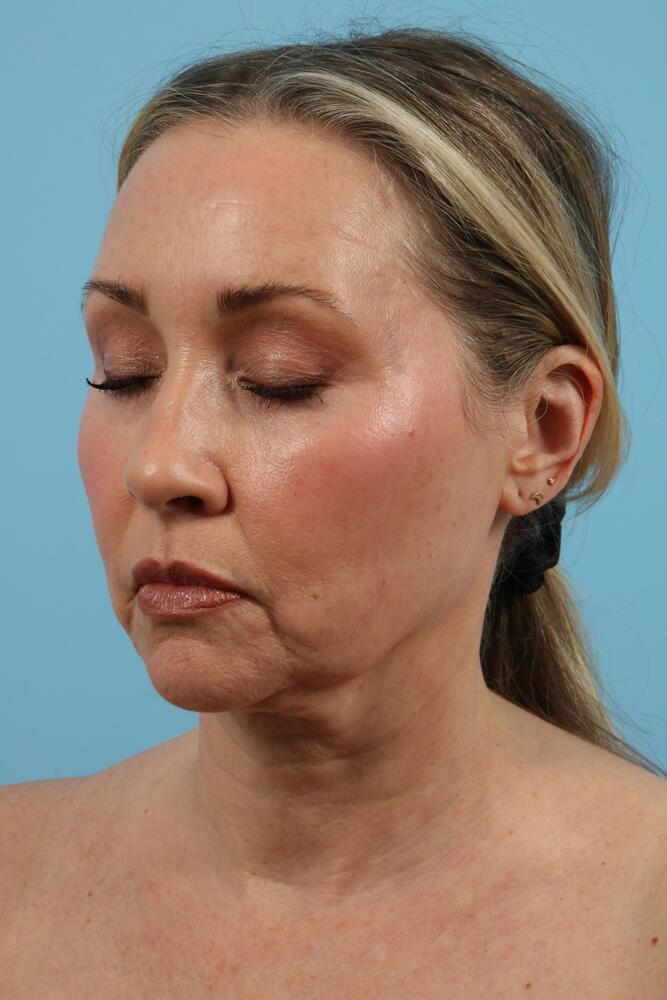
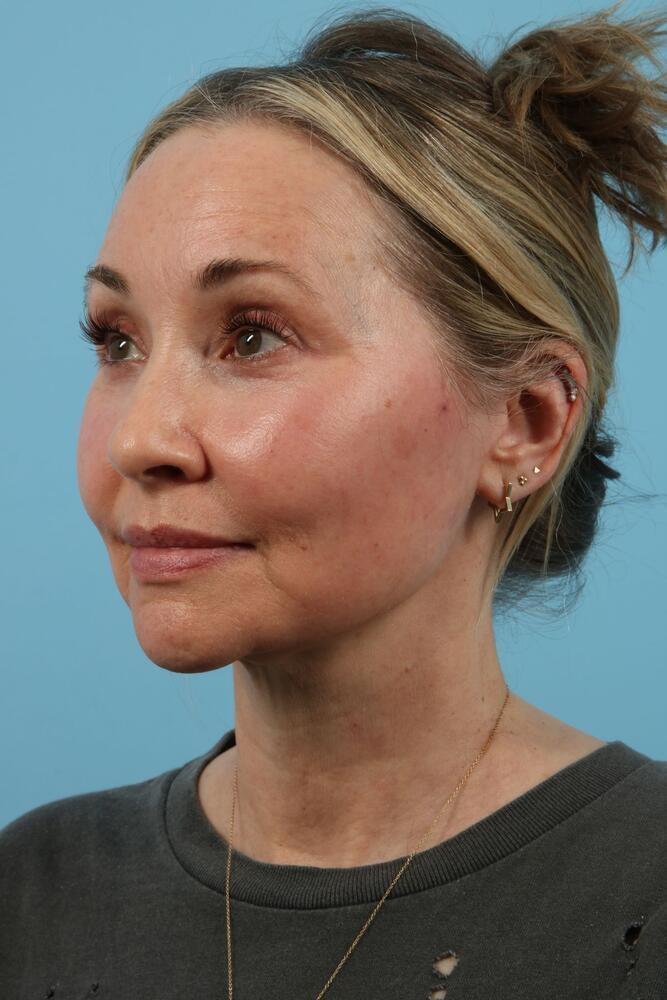
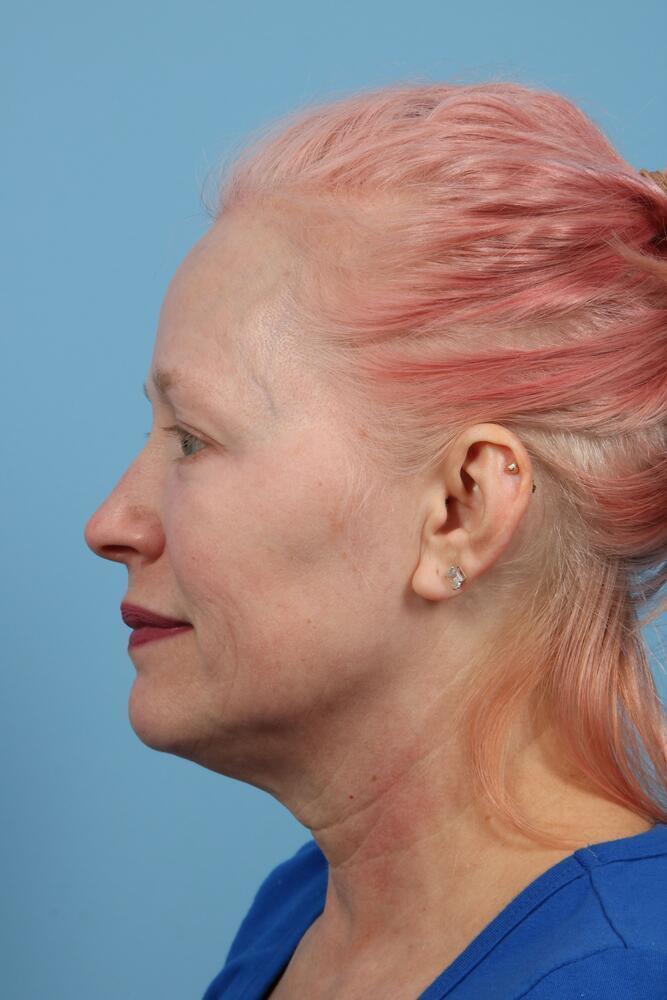
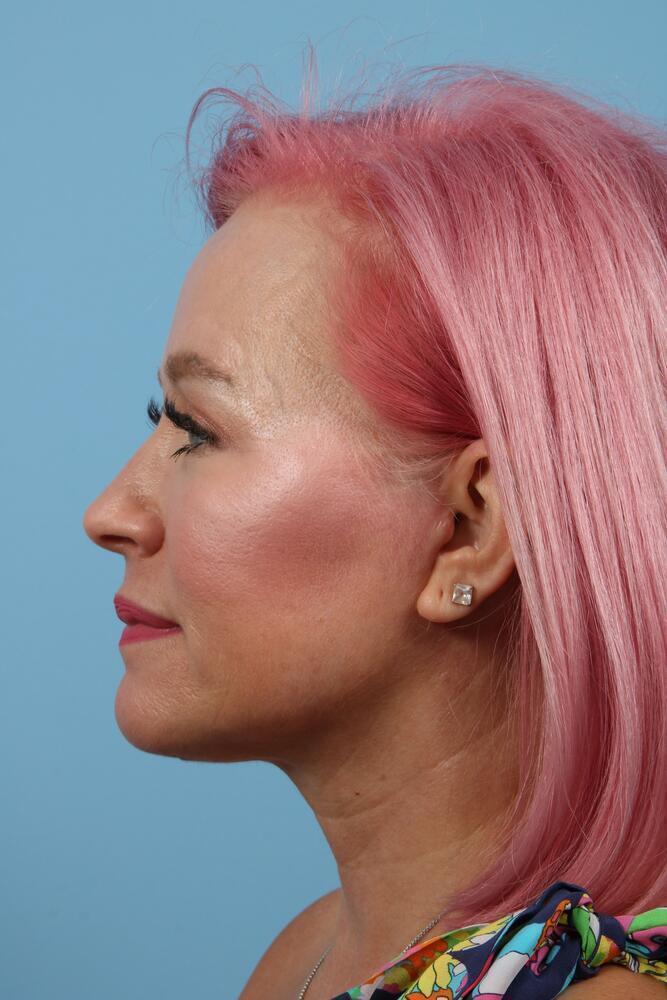
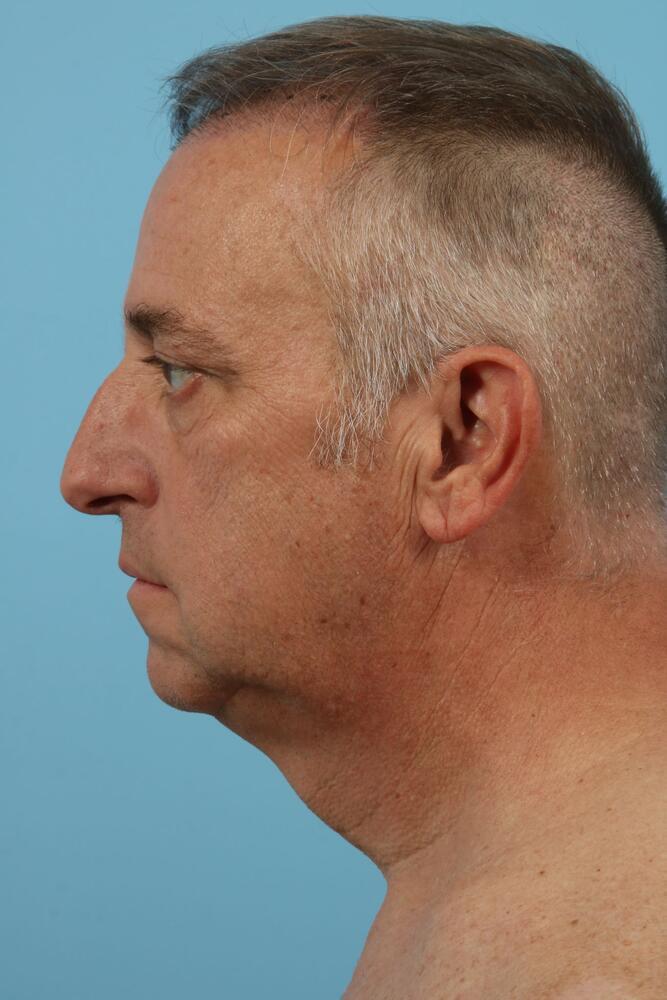
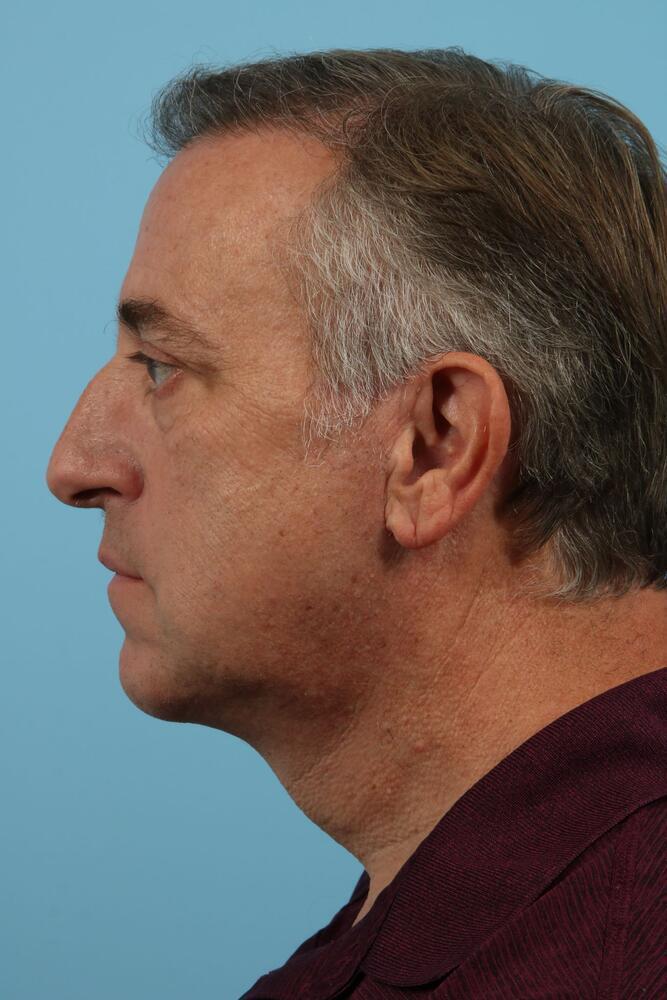
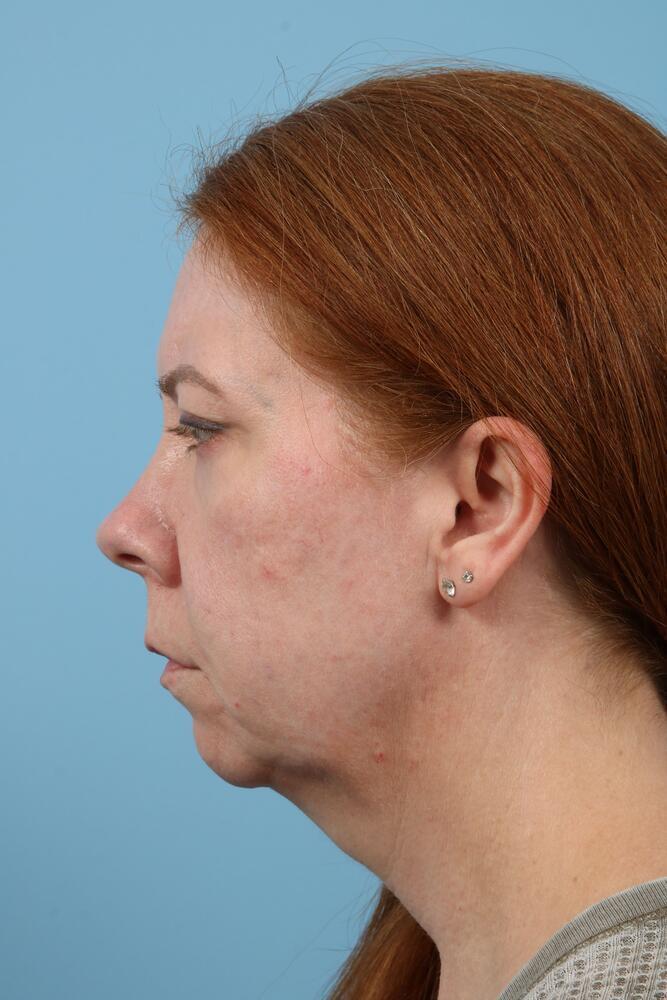
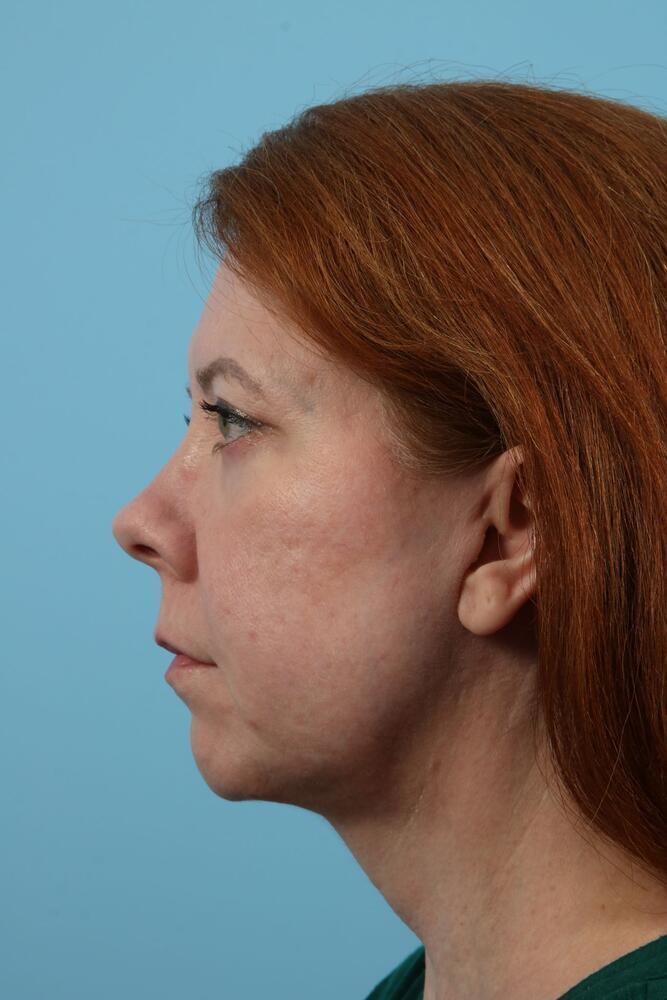
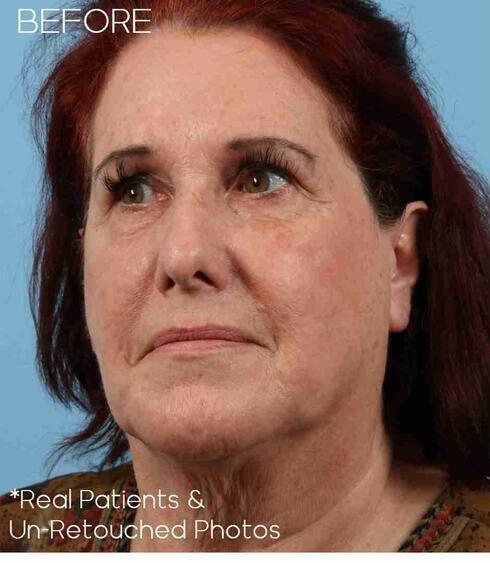
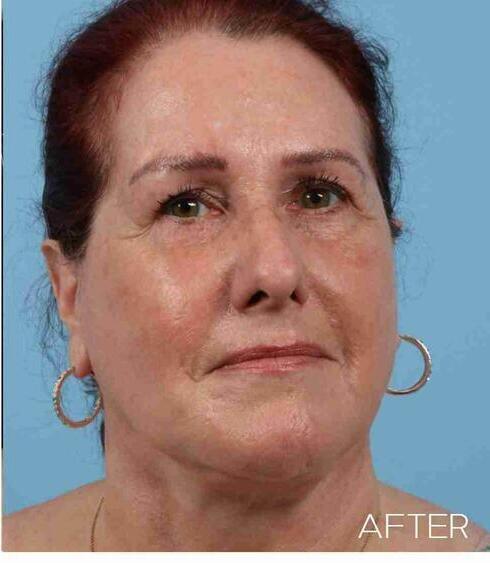
Mini Facelift Surgery
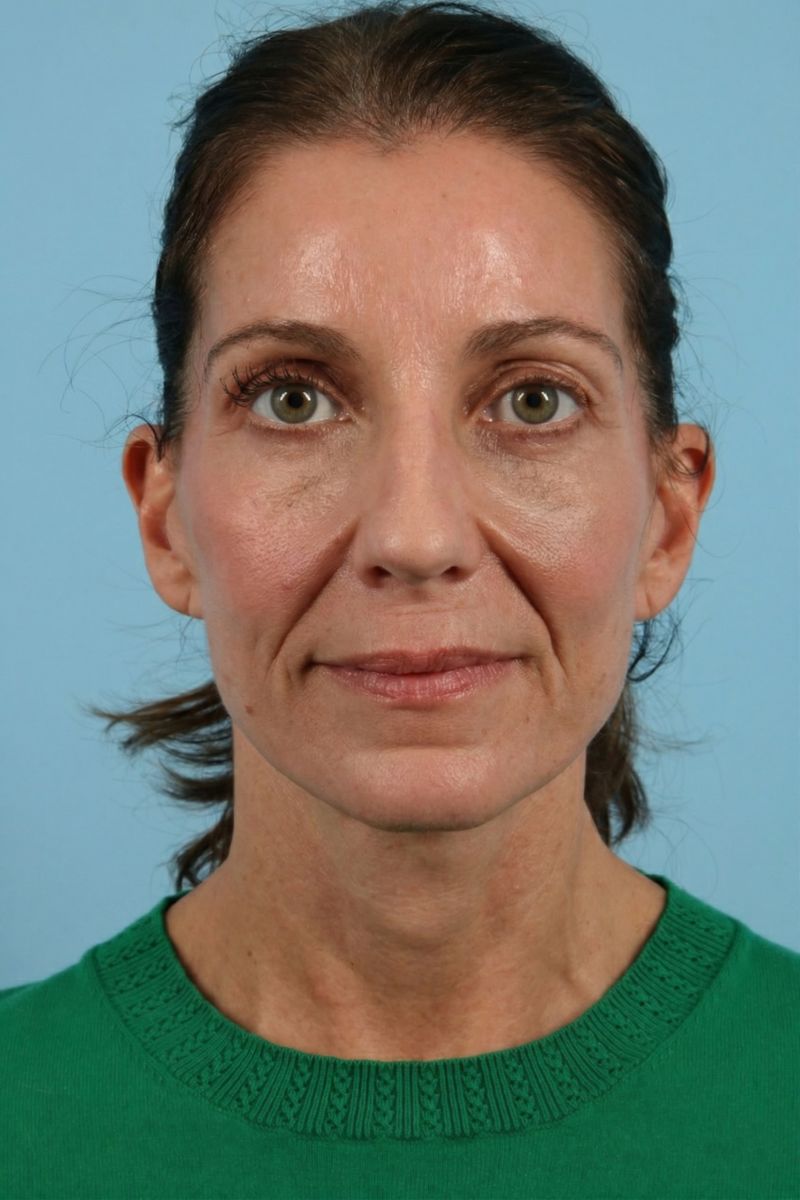
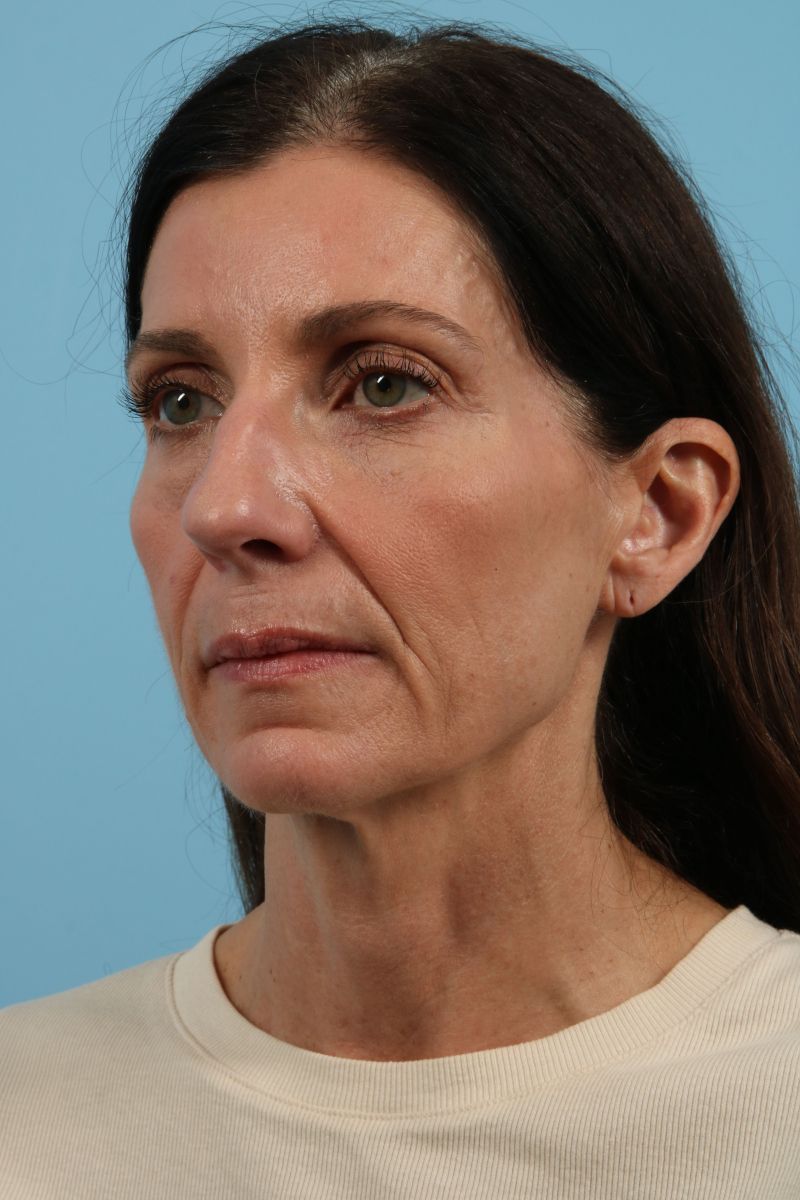
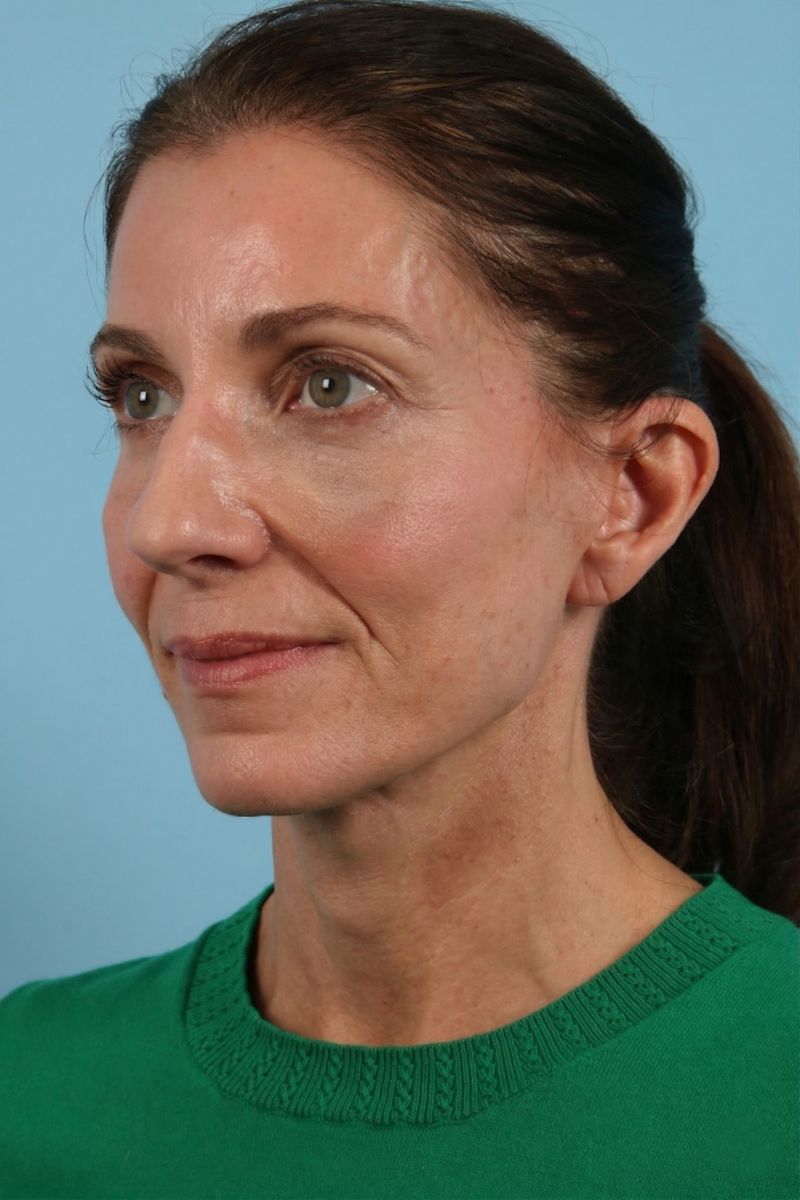
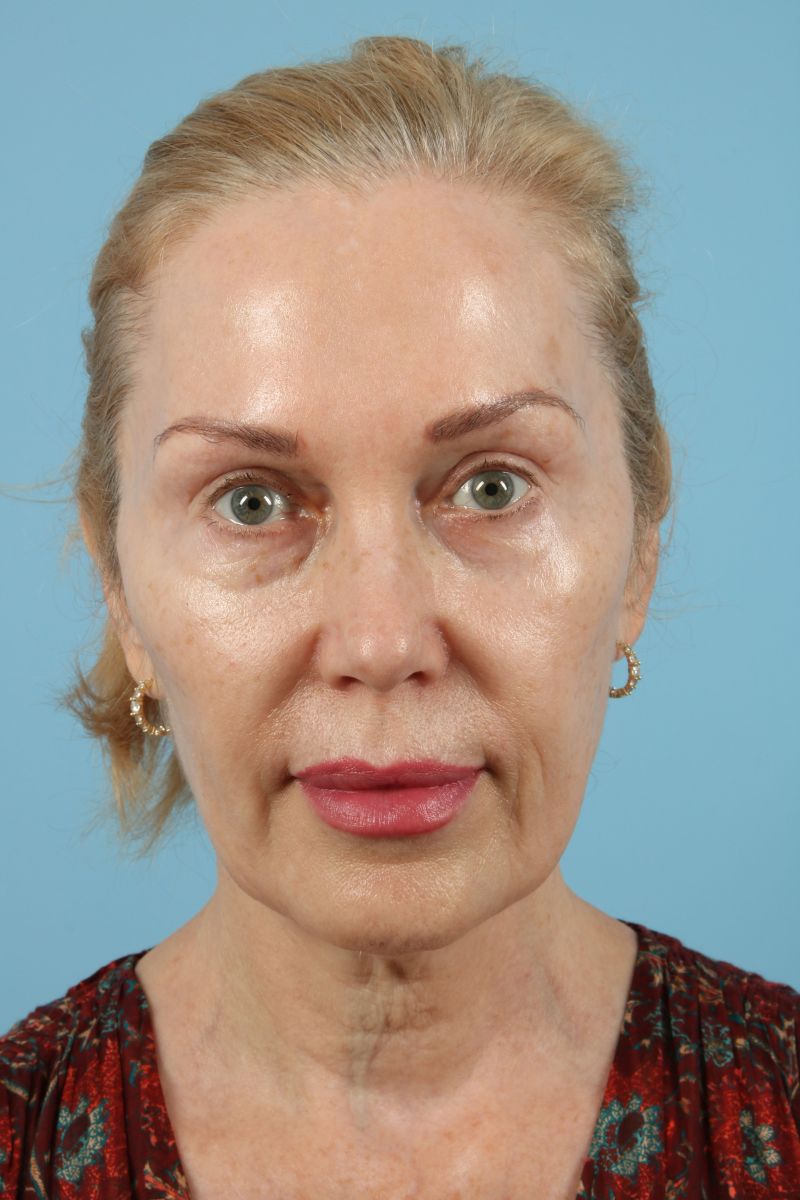
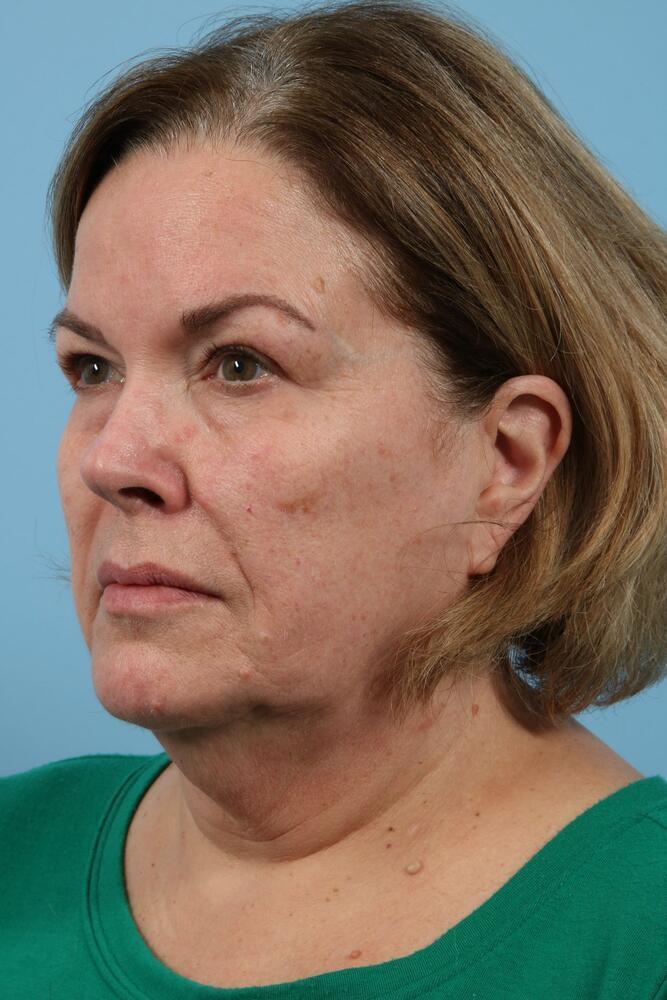
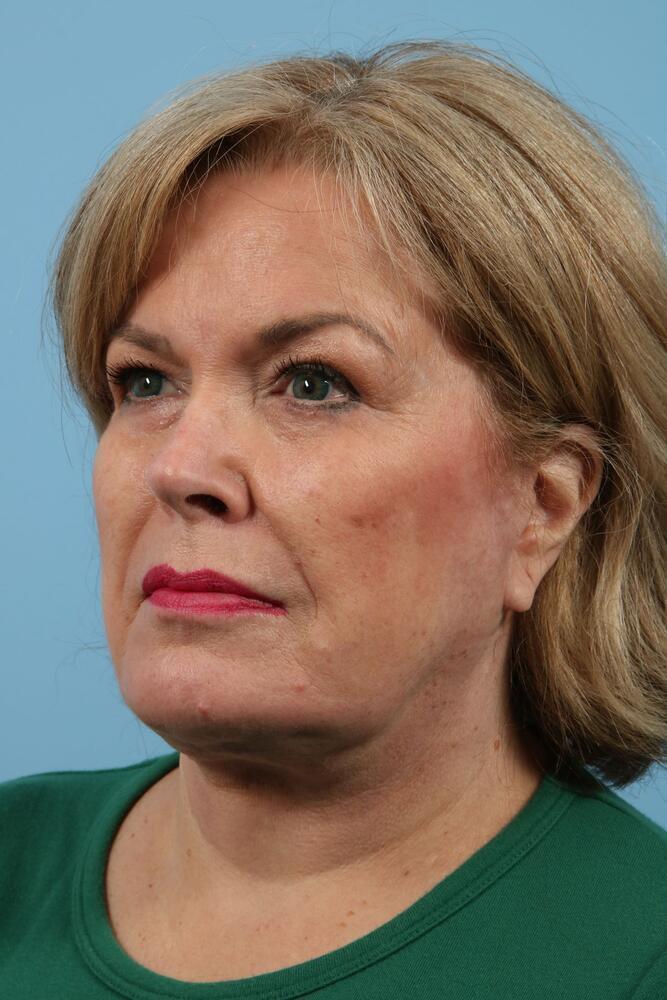
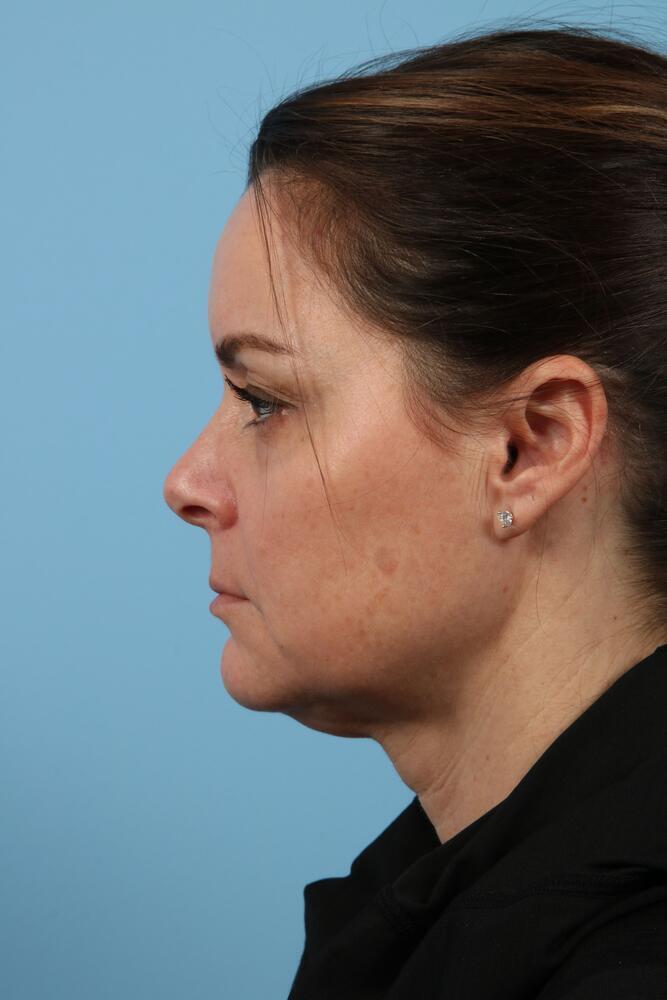
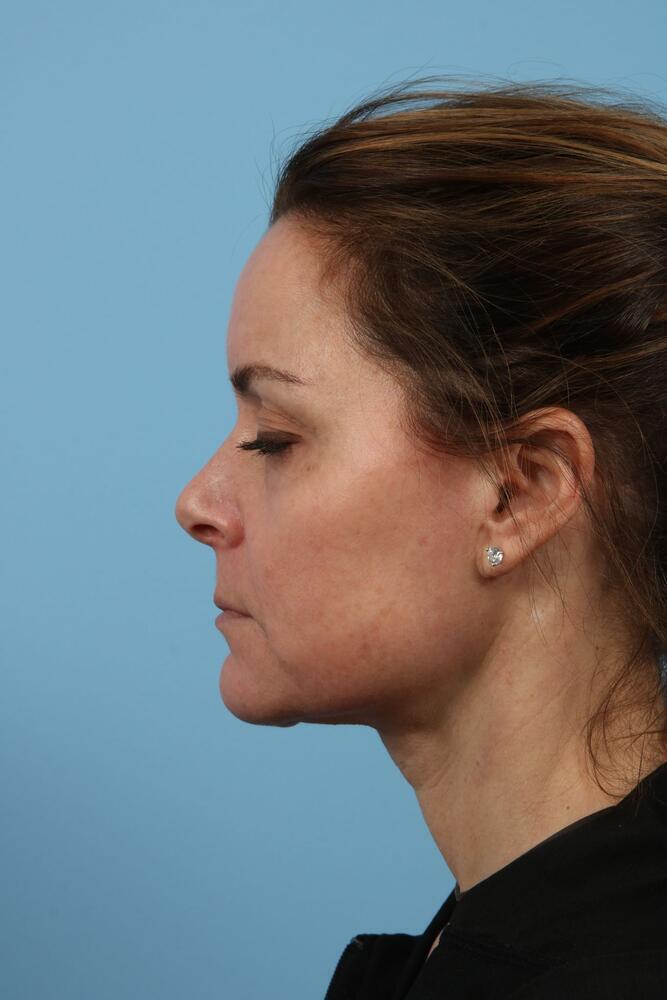
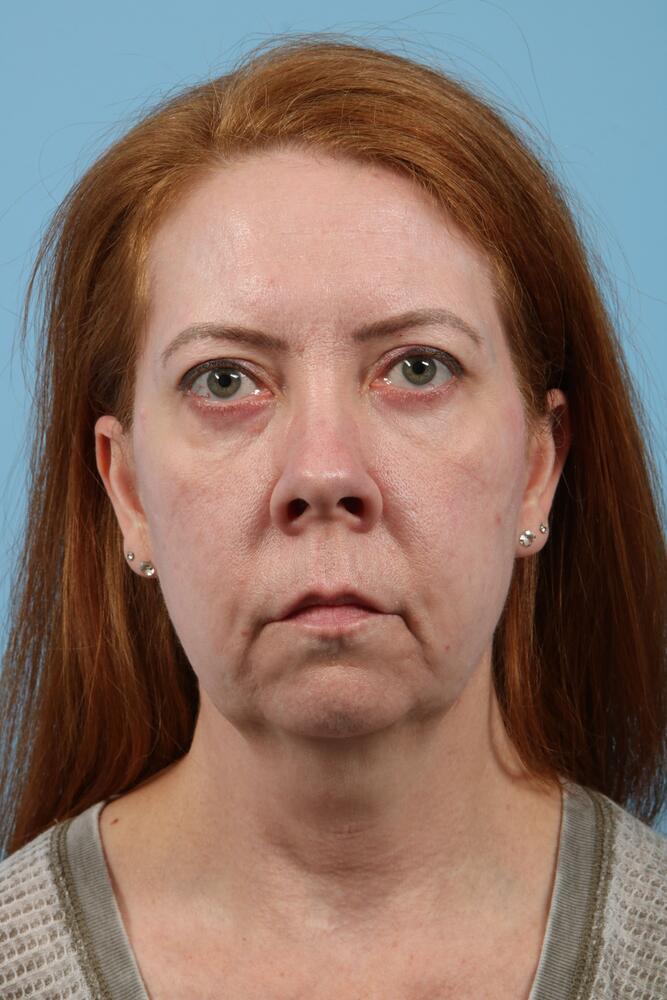
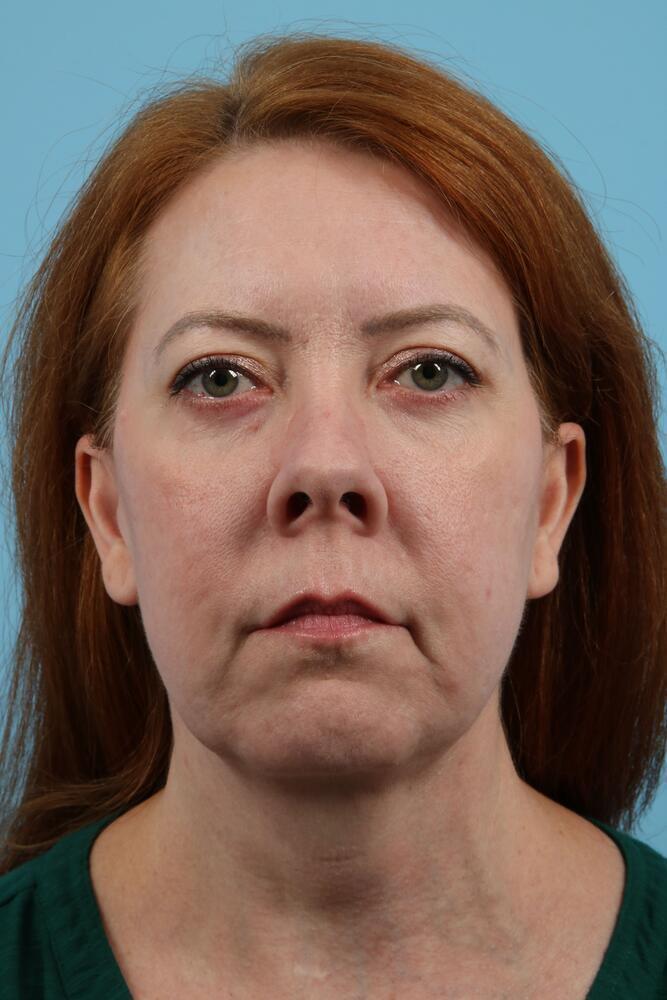
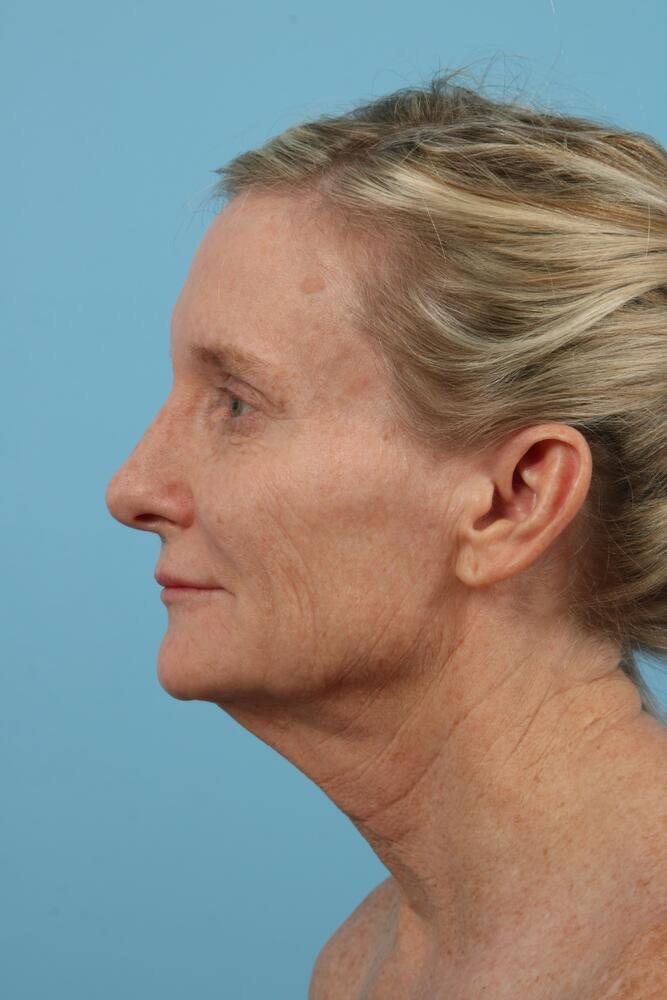
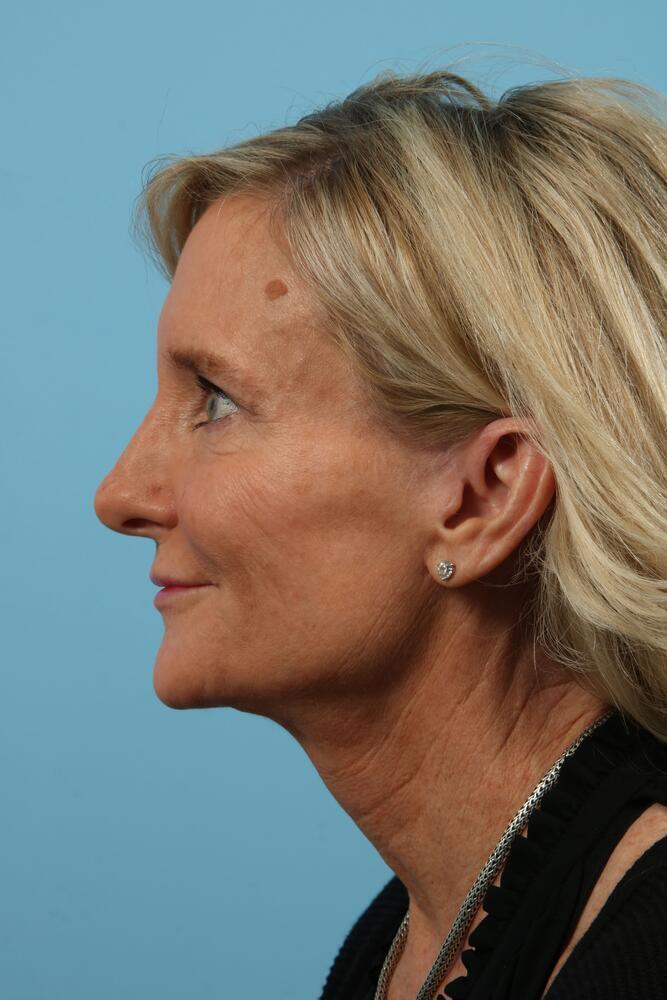
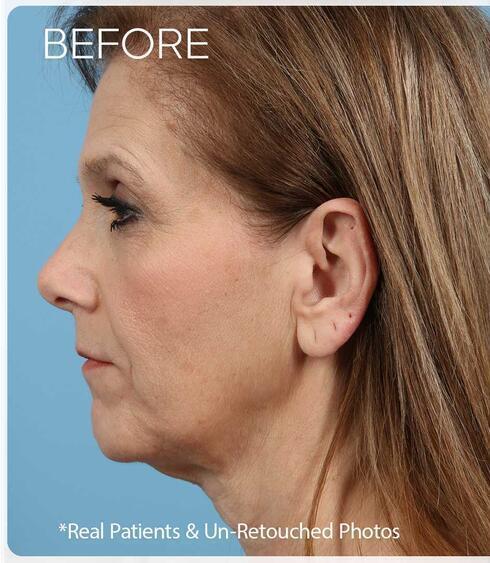
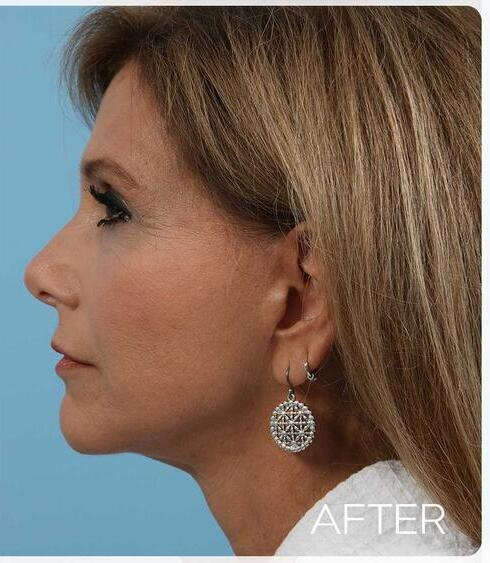
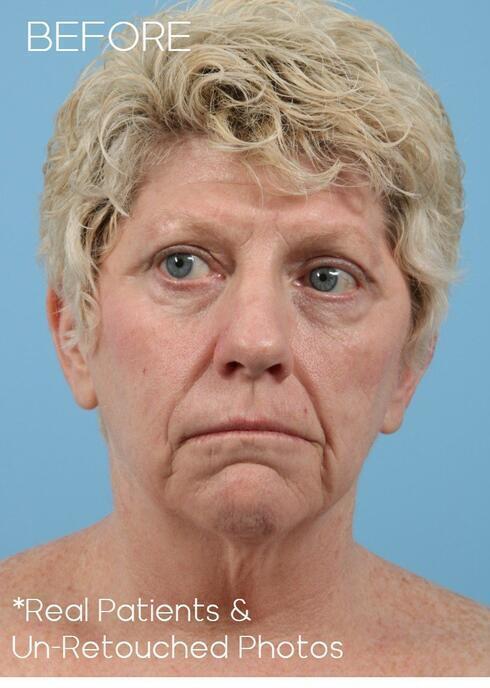
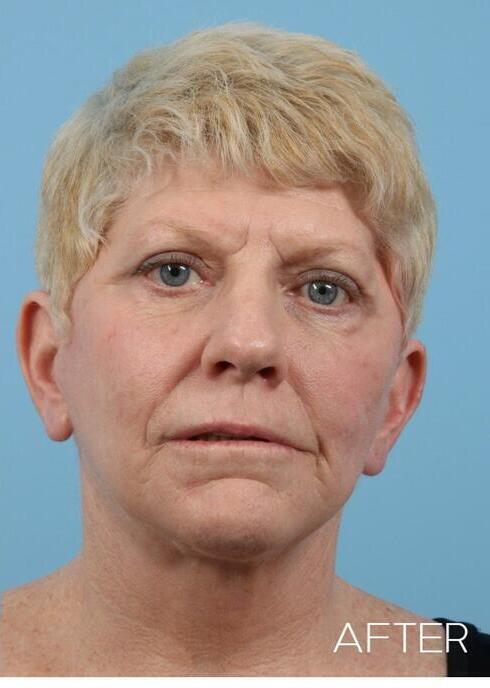
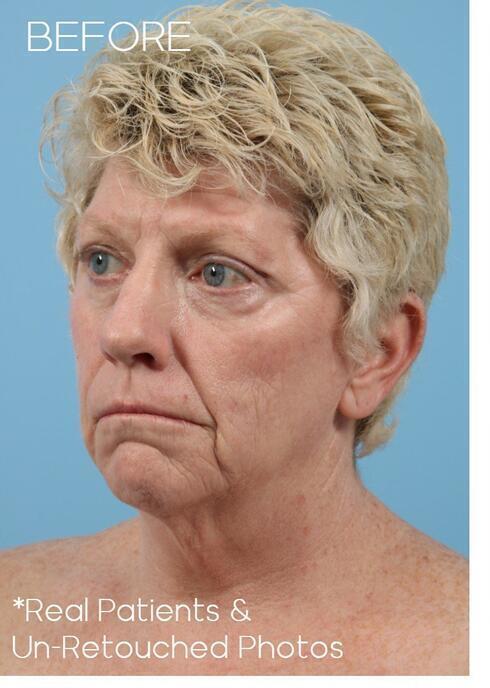
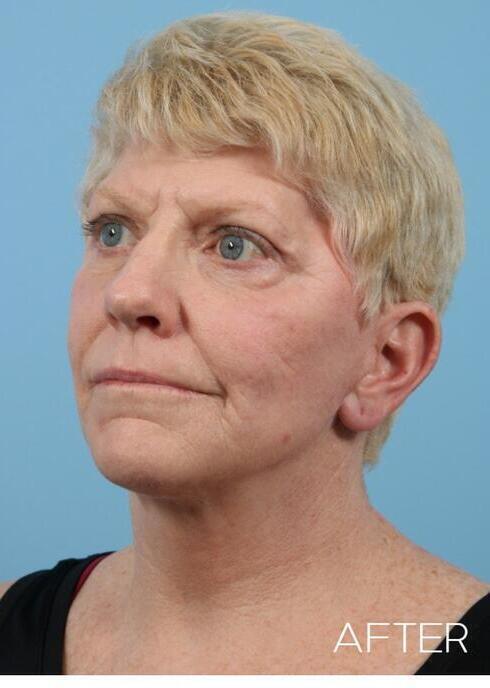
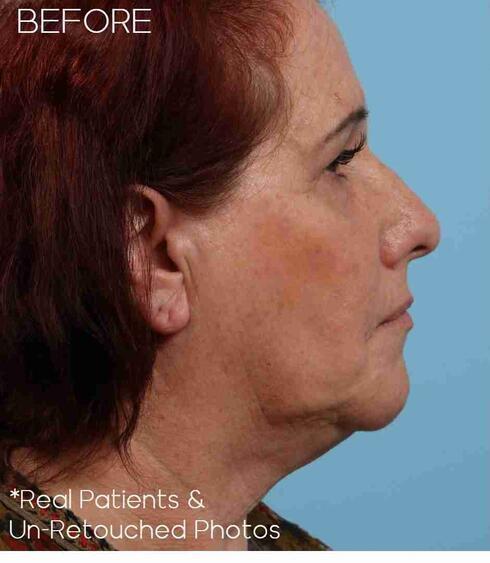
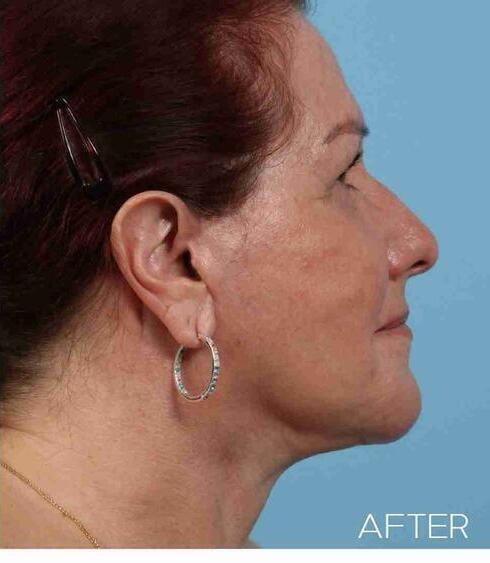
Early jowling can soften a jawline that once looked clean and defined, even when the rest of your face still looks relatively youthful. Mini facelift surgery gives double board-certified facial plastic surgeon Dr. Adam C. Augenstein a focused way to address these early signs of aging using shorter incisions and targeted SMAS tightening. At Aesthetic Surgery of Charlotte, the procedure is recommended only when your anatomy supports a limited correction and a natural, refreshed appearance.
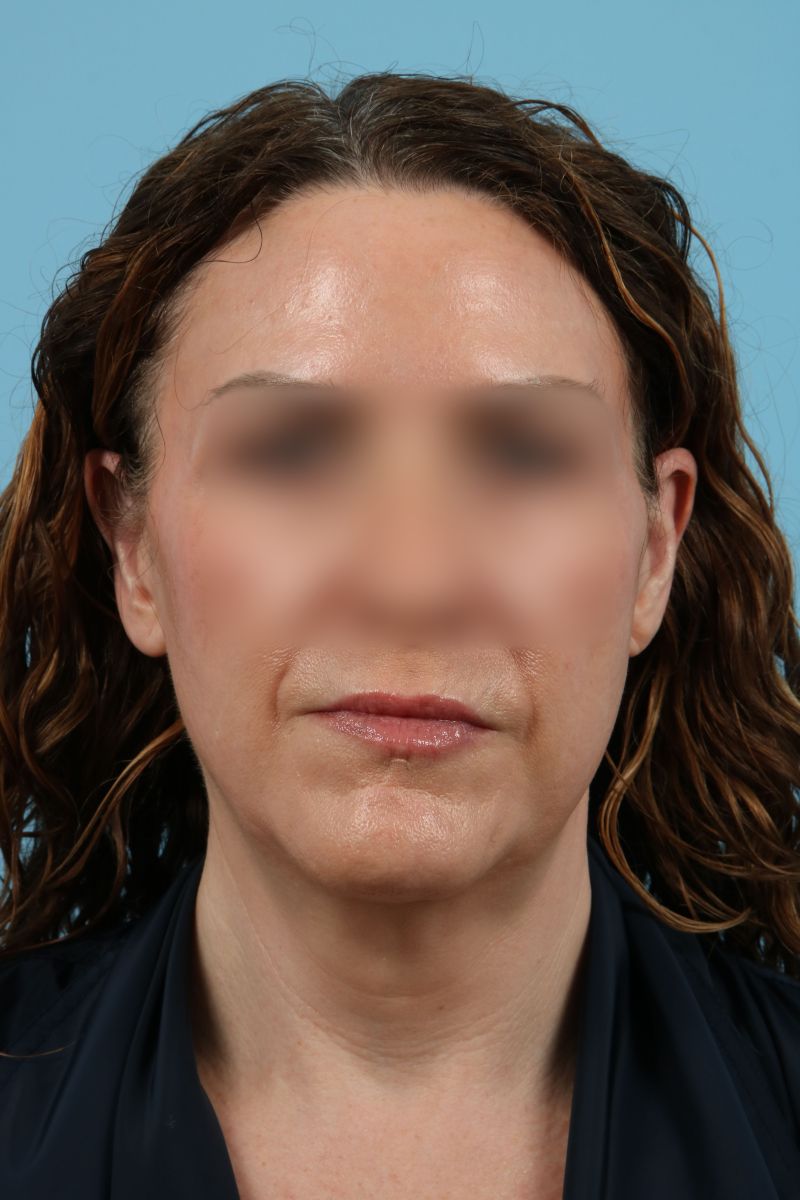
Understanding the Mini Facelift
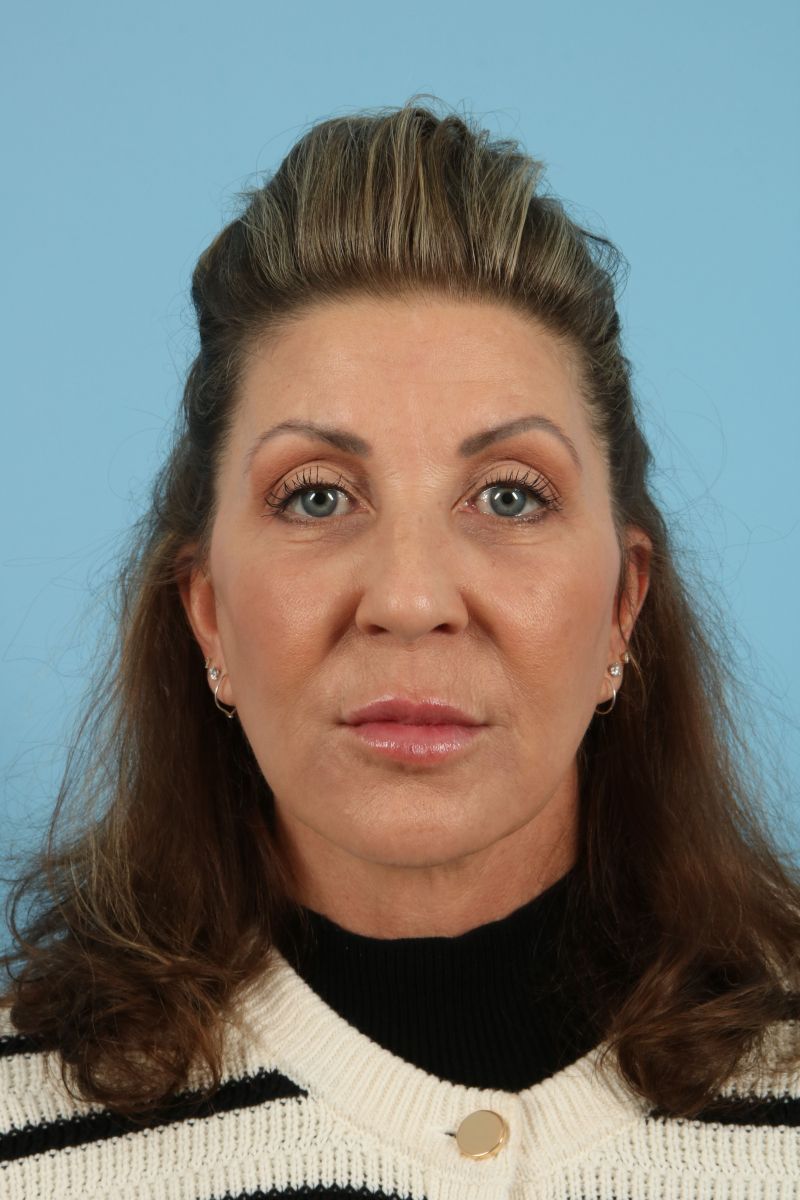
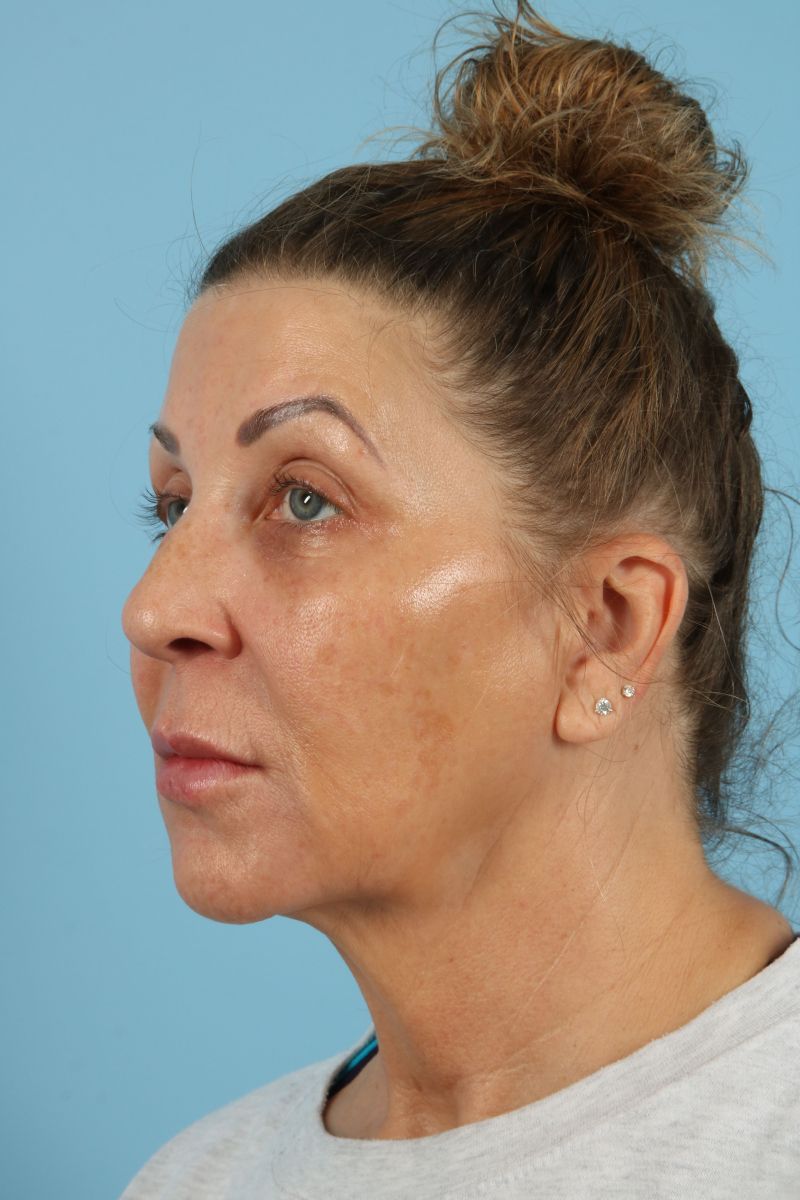
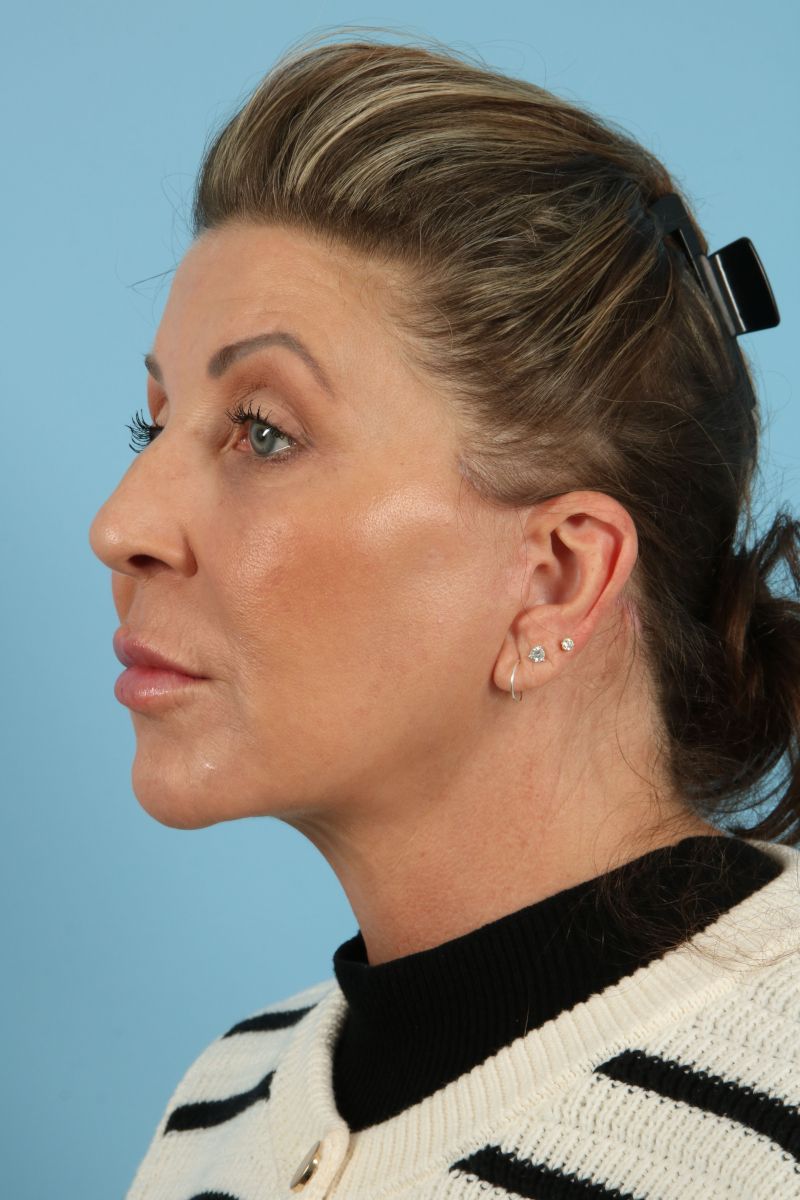
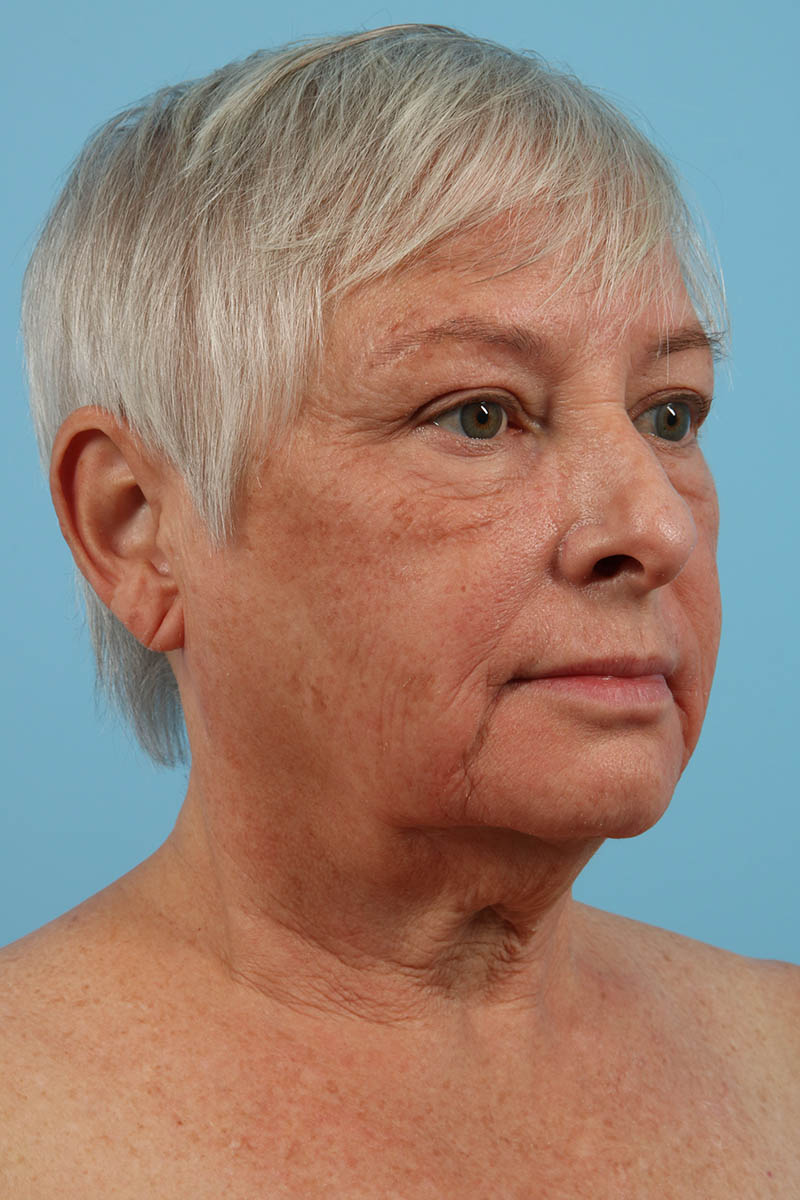
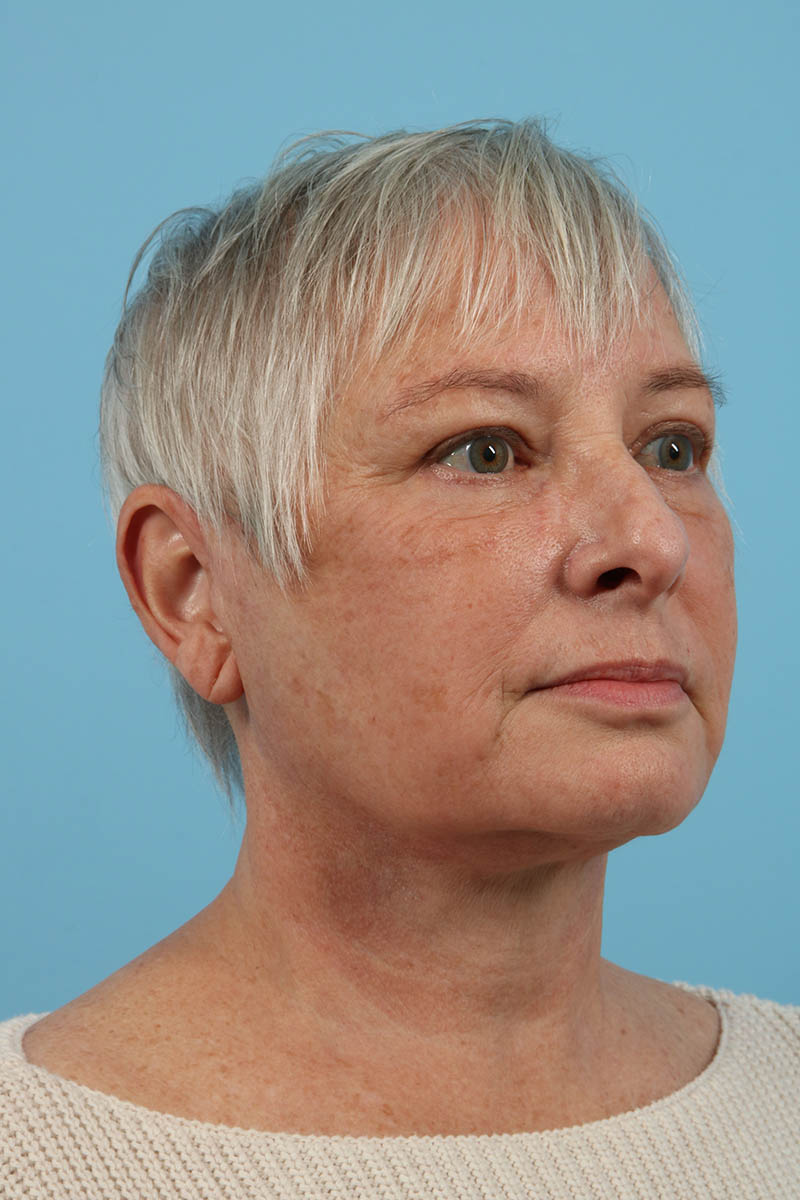
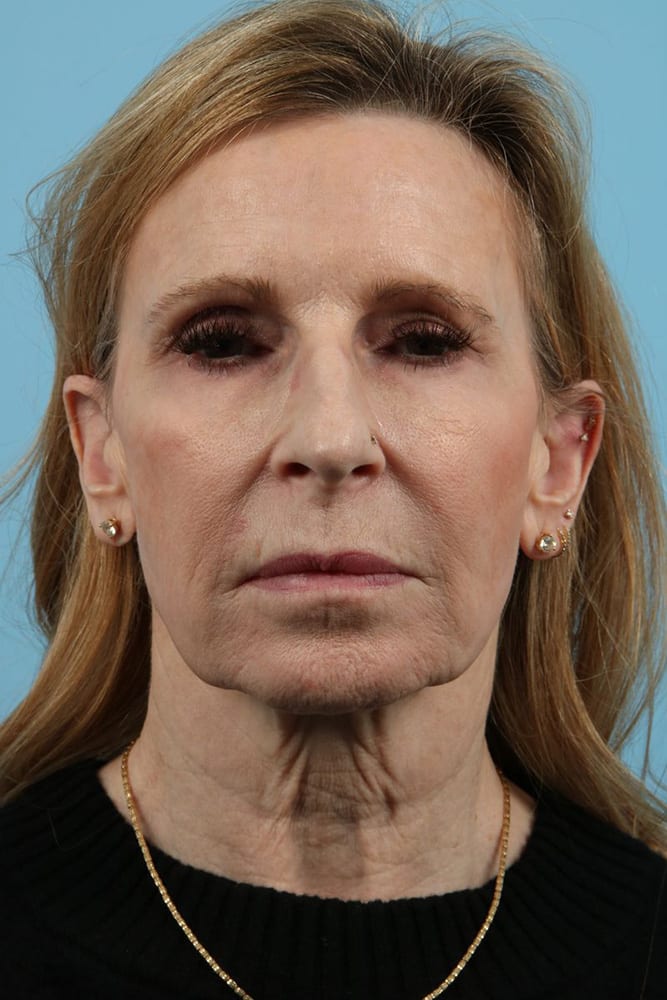
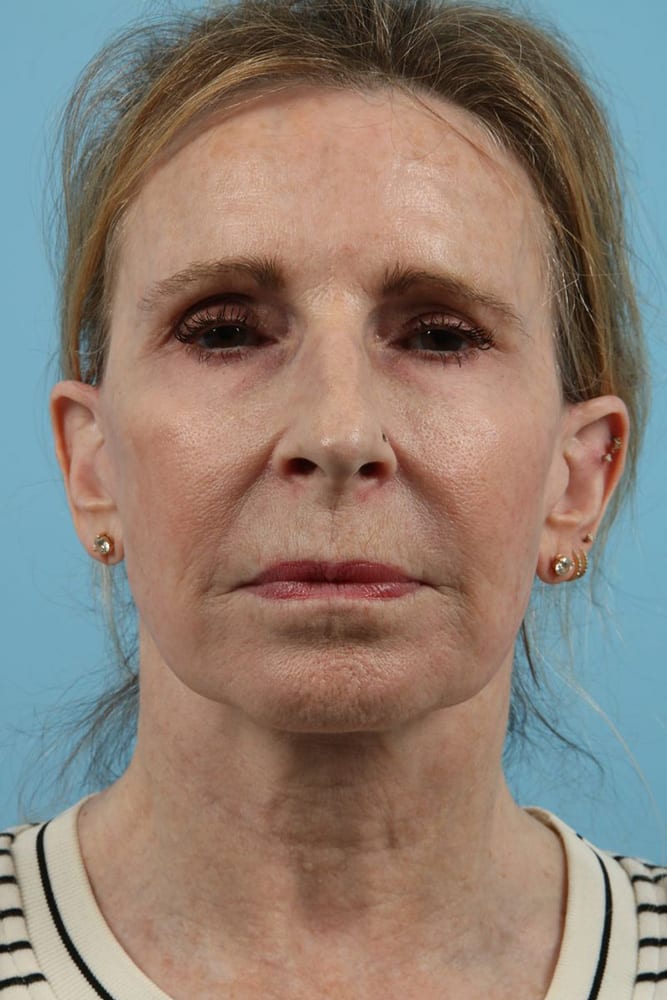
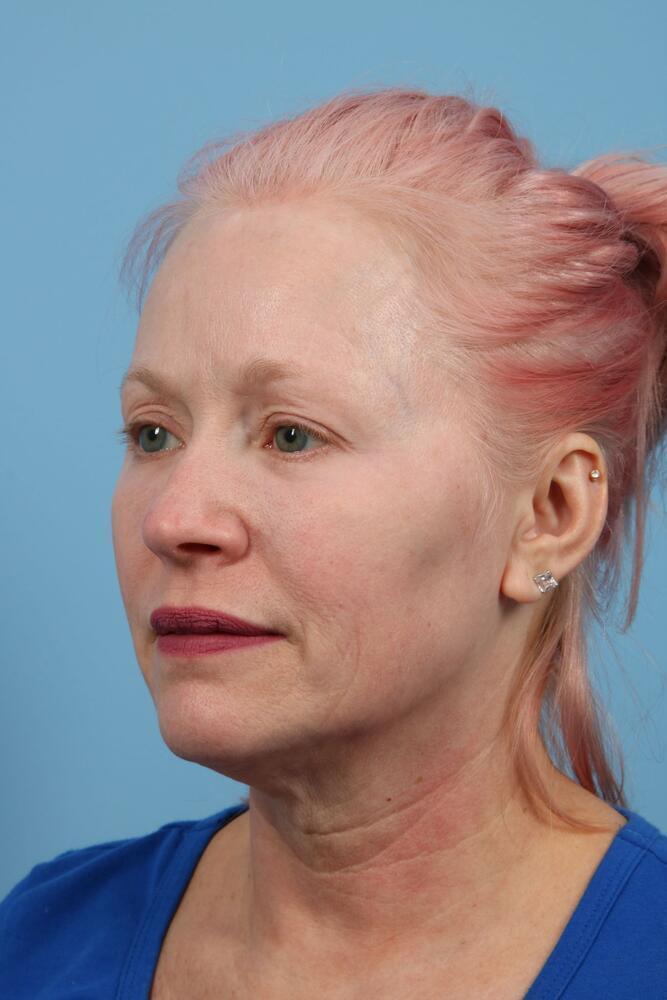
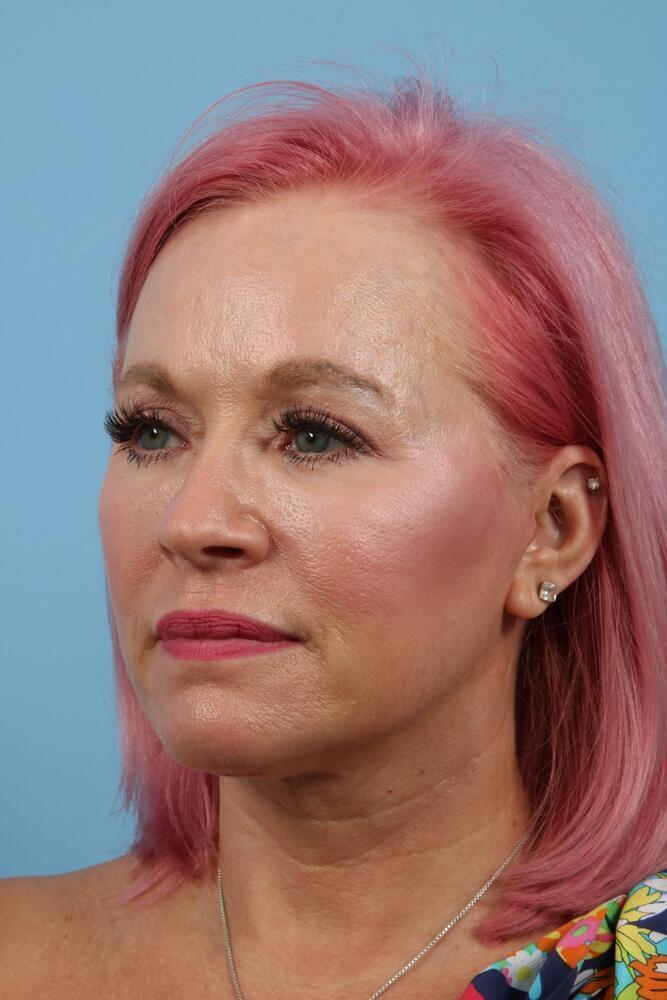
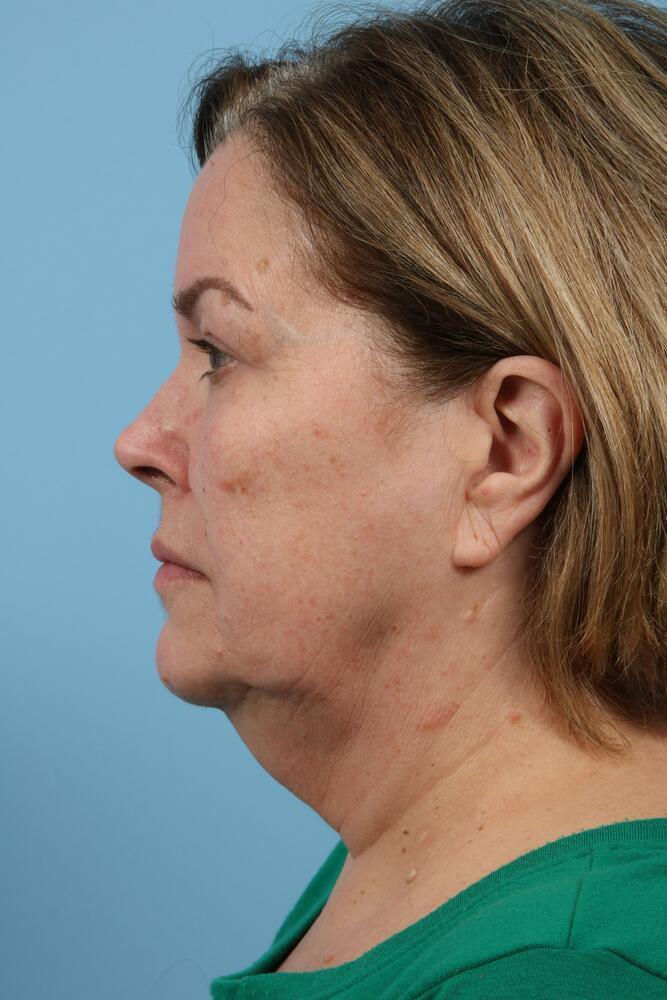
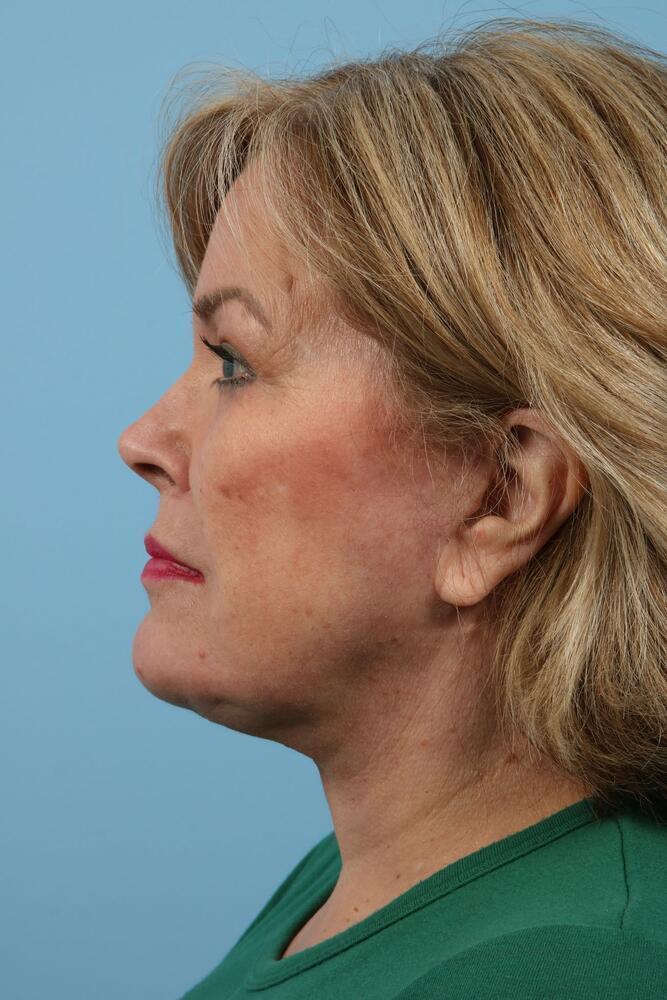
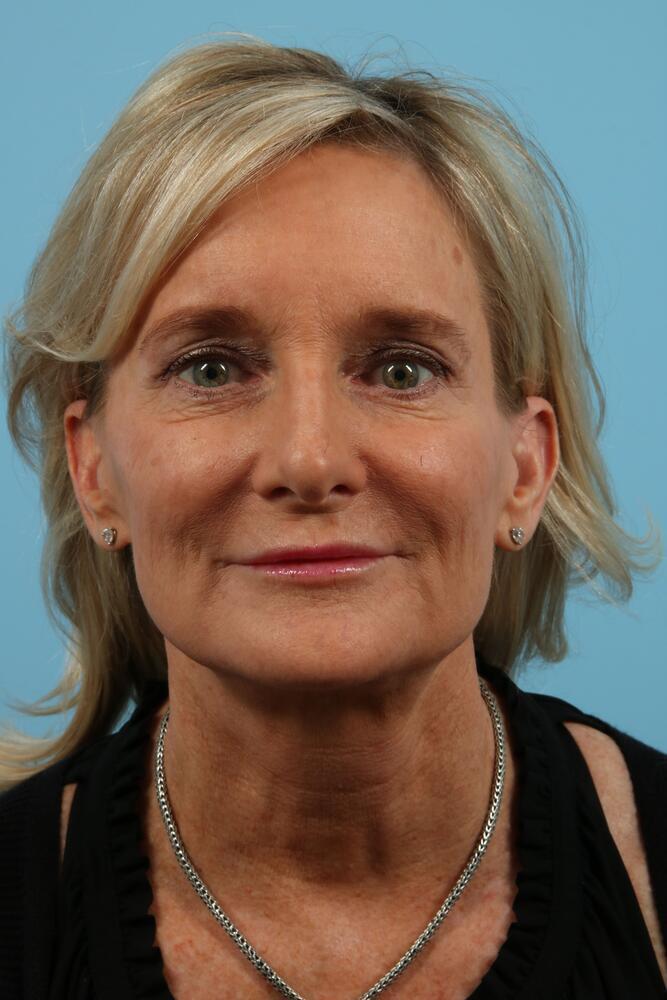
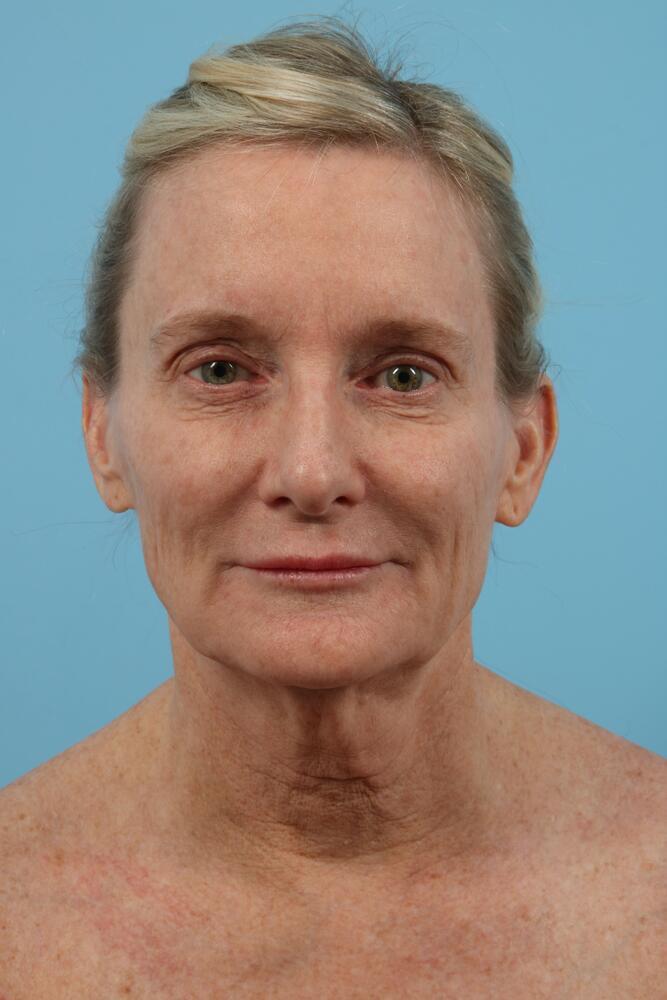
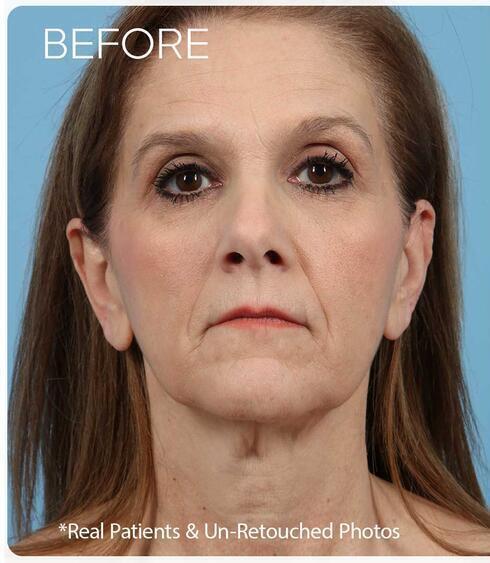
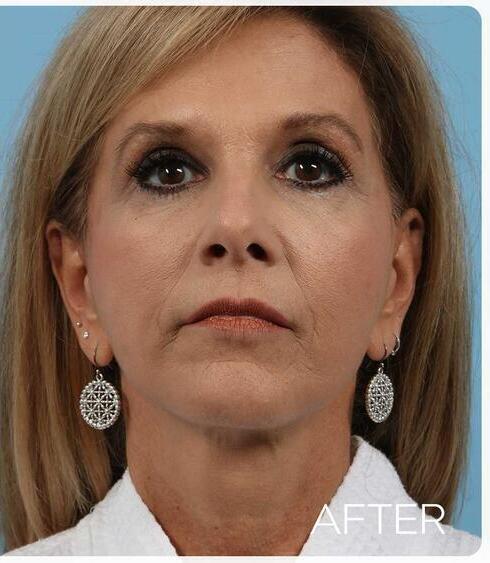
A mini facelift, sometimes called a mini rhytidectomy, is a focused surgical procedure for early jowling and mild lower-face laxity. Dr. Augenstein uses shorter incisions and targeted SMAS tightening to restore a more defined jawline while preserving the patient’s natural facial features.
A mini facelift tightens the superficial musculoaponeurotic system, or SMAS. This deeper support layer includes muscle and connective tissue beneath the facial skin. Repositioning it creates a more durable lift than relying on skin tension alone.
The word “mini” refers to the treatment area and extent of tissue separation under the skin, but a mini facelift is still a surgical procedure that requires incisions, anesthesia, and a planned-out recovery period.
Early Changes Along the Jawline
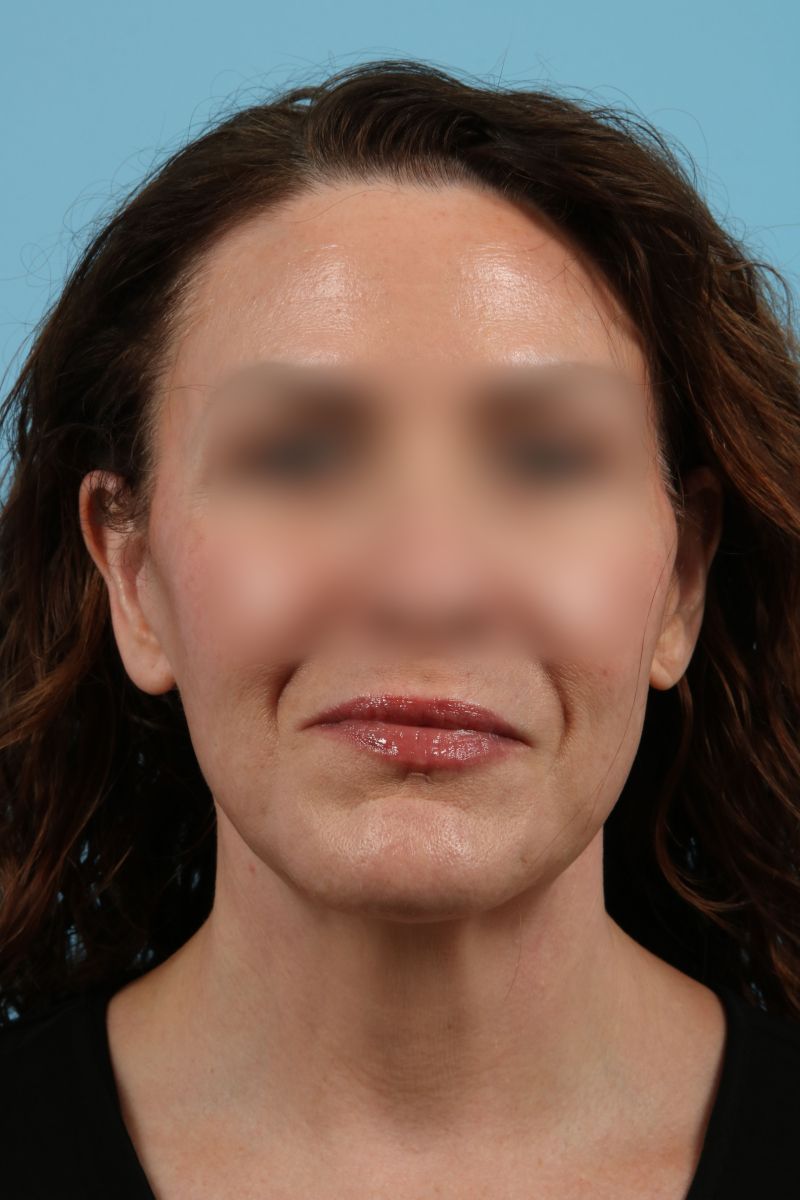
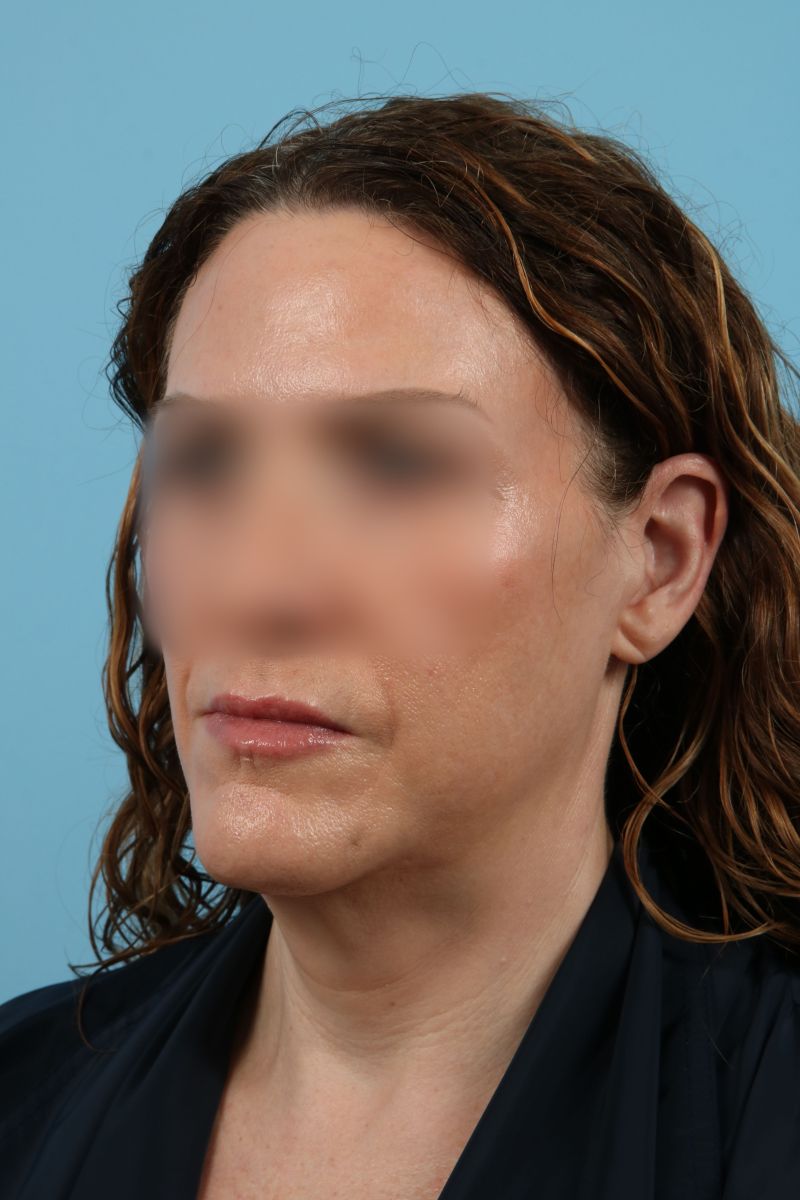
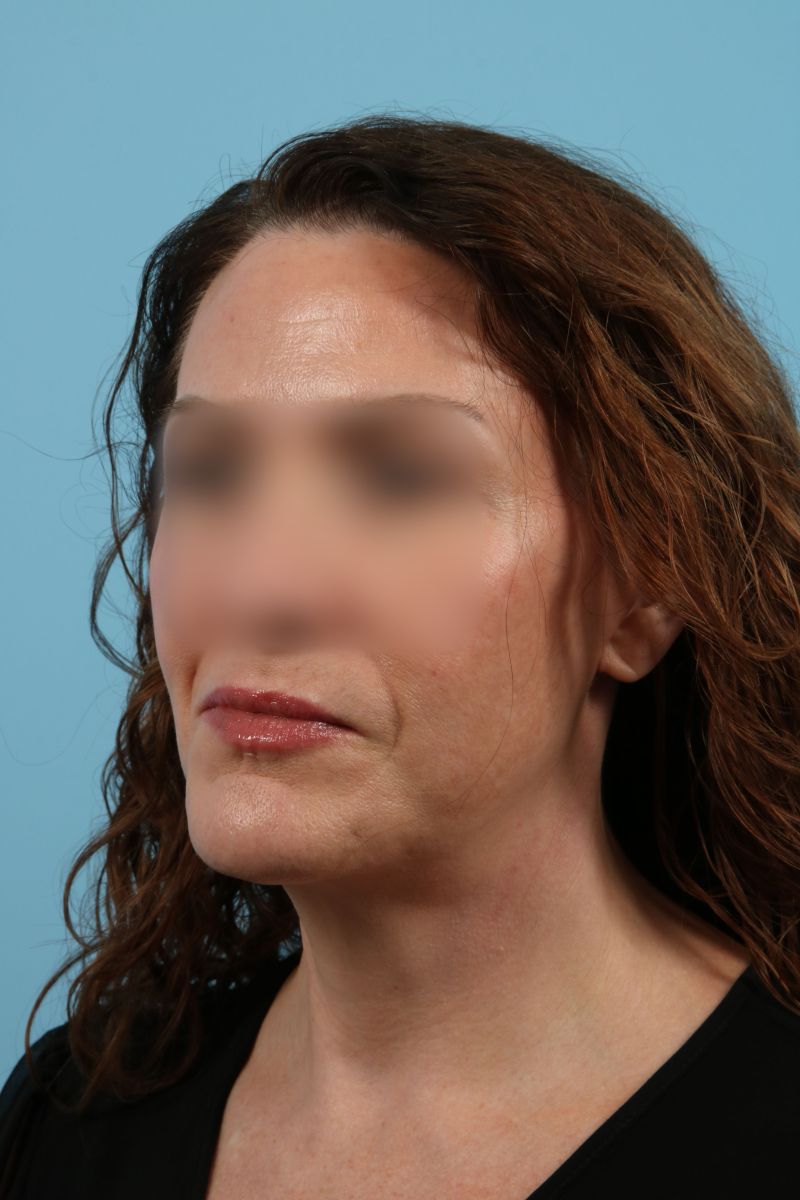
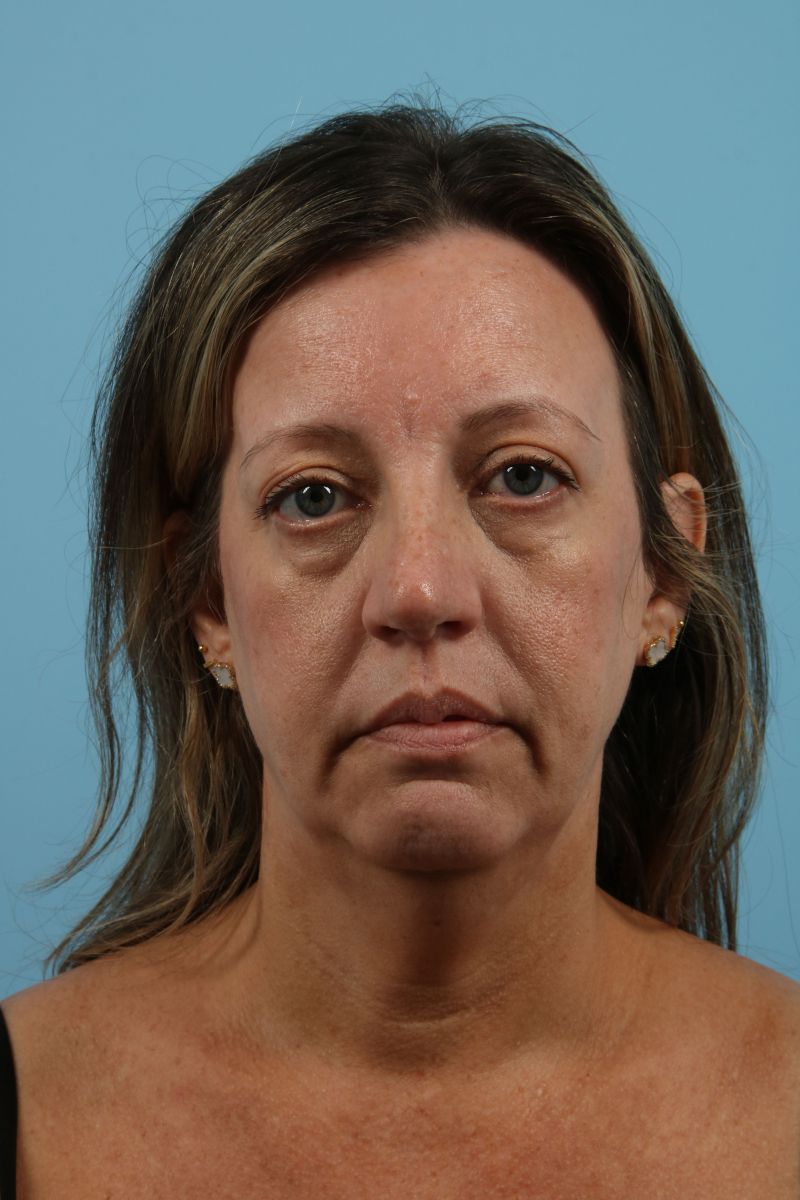
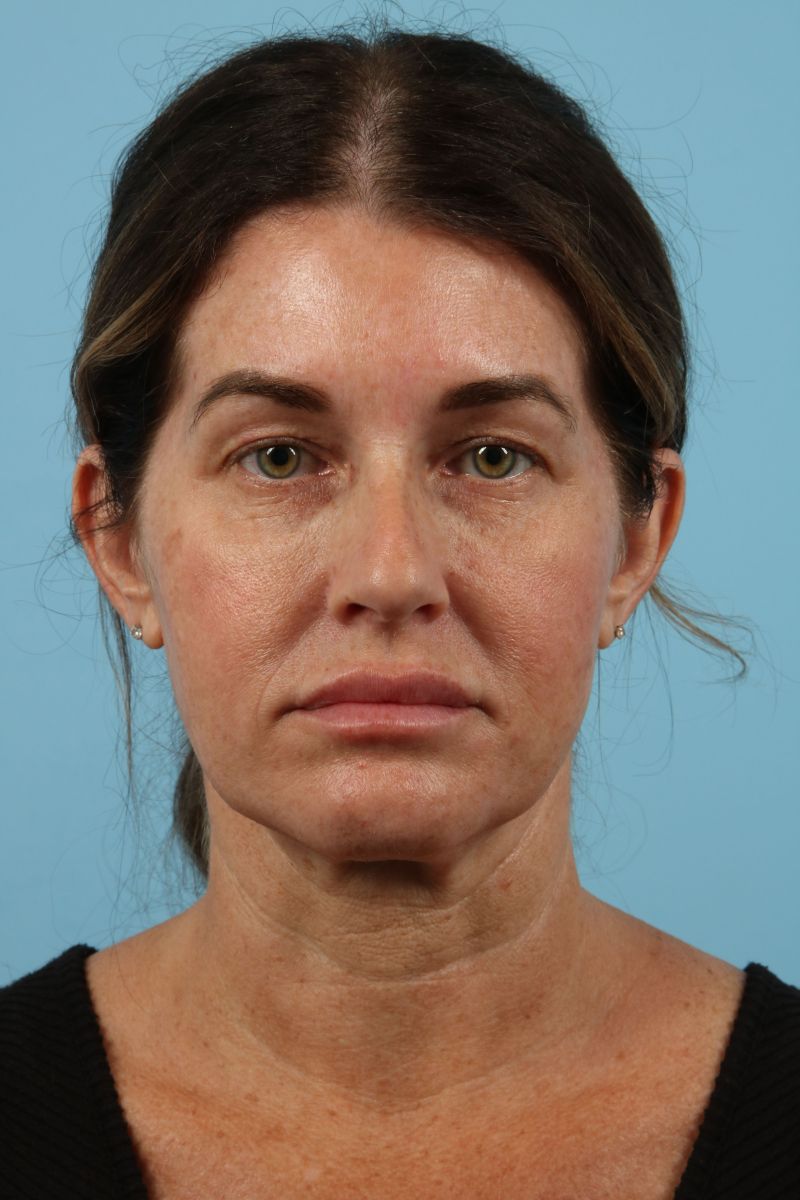
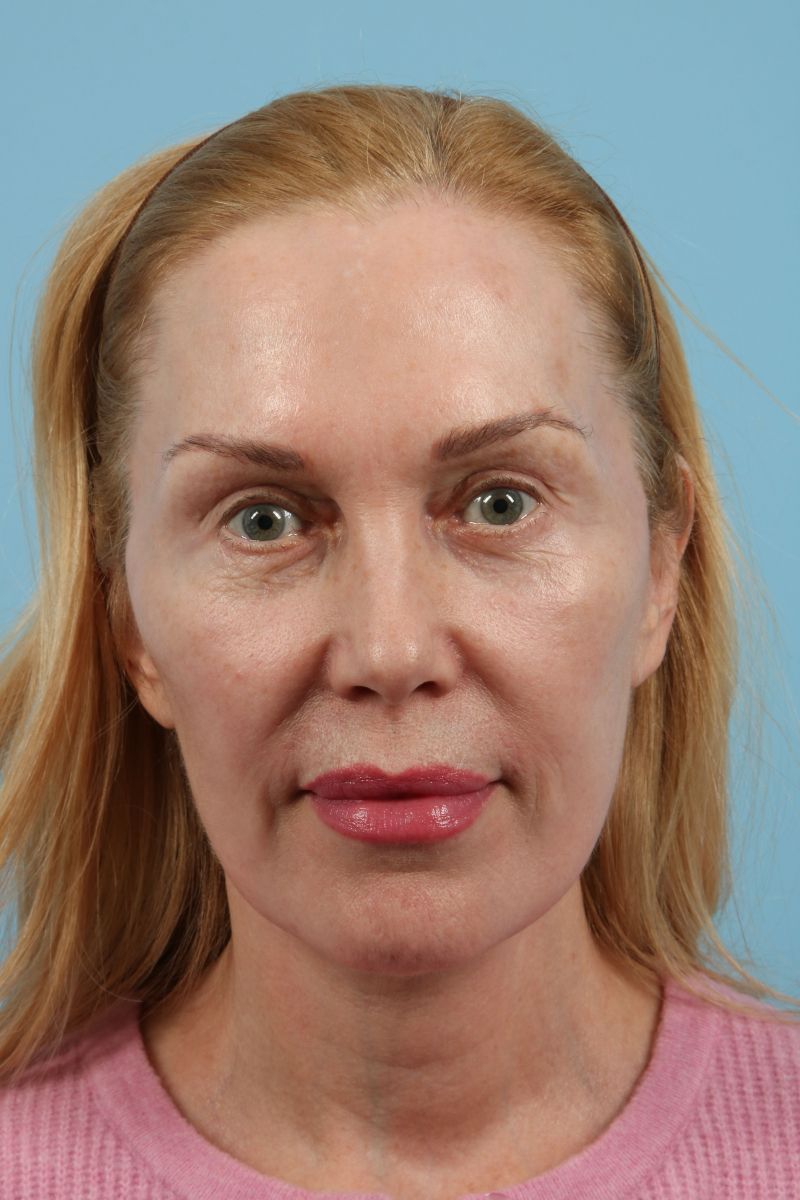
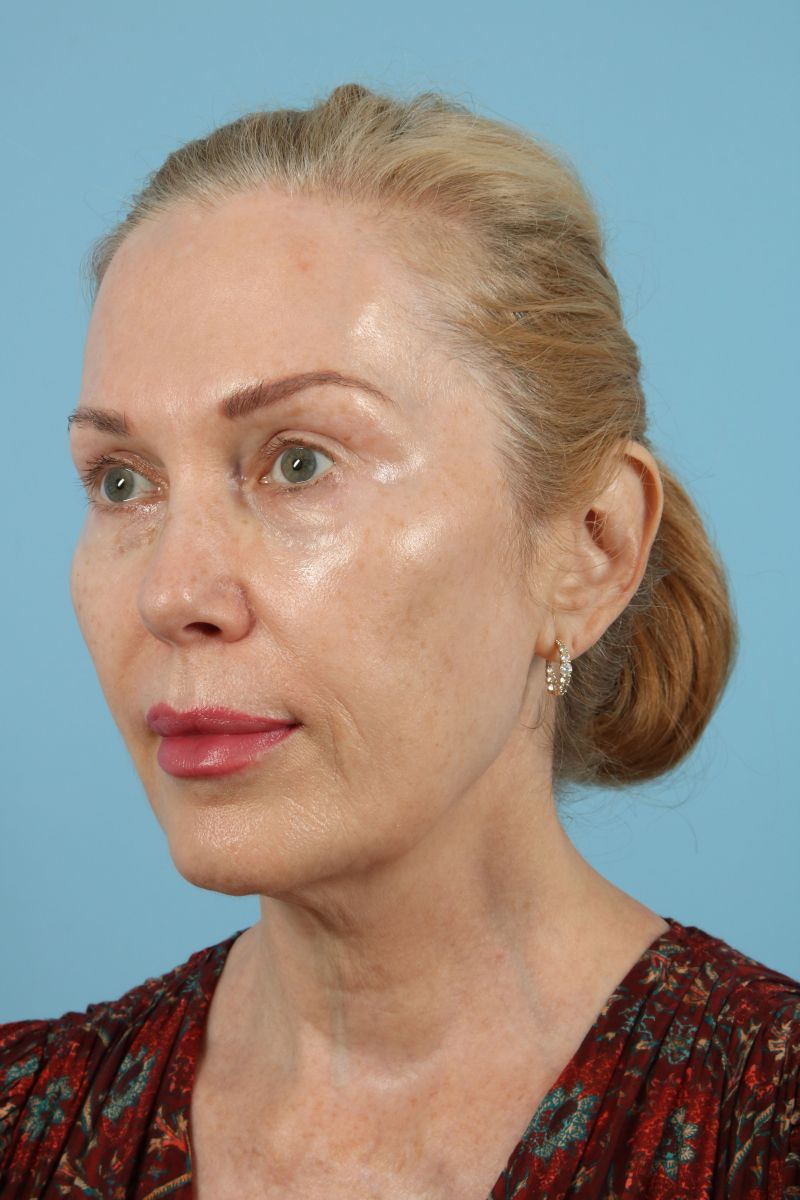
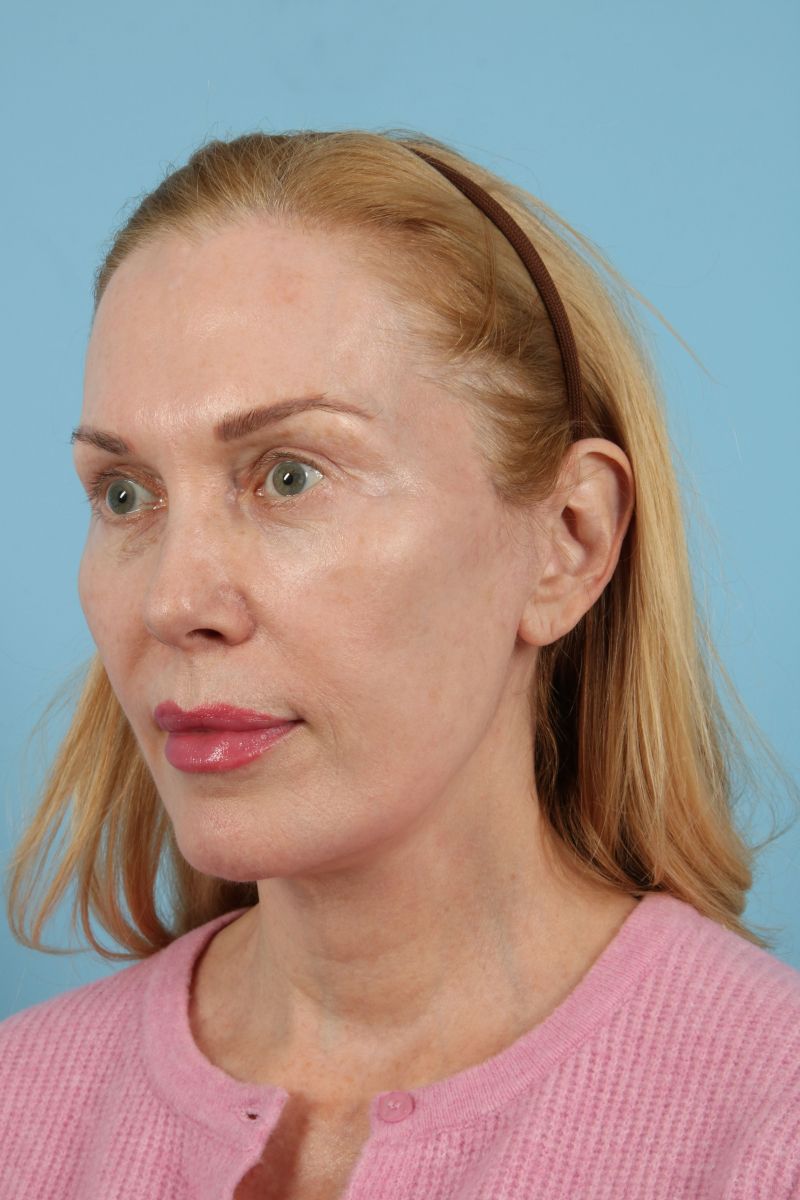
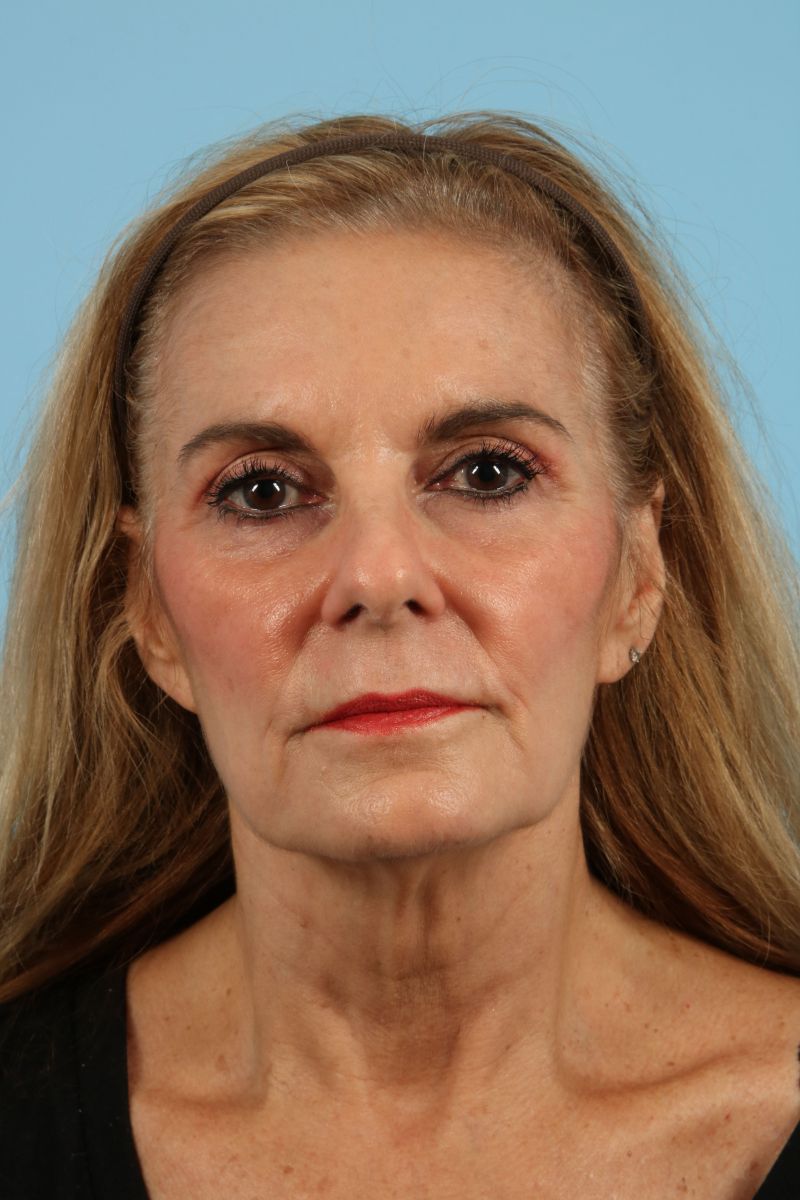
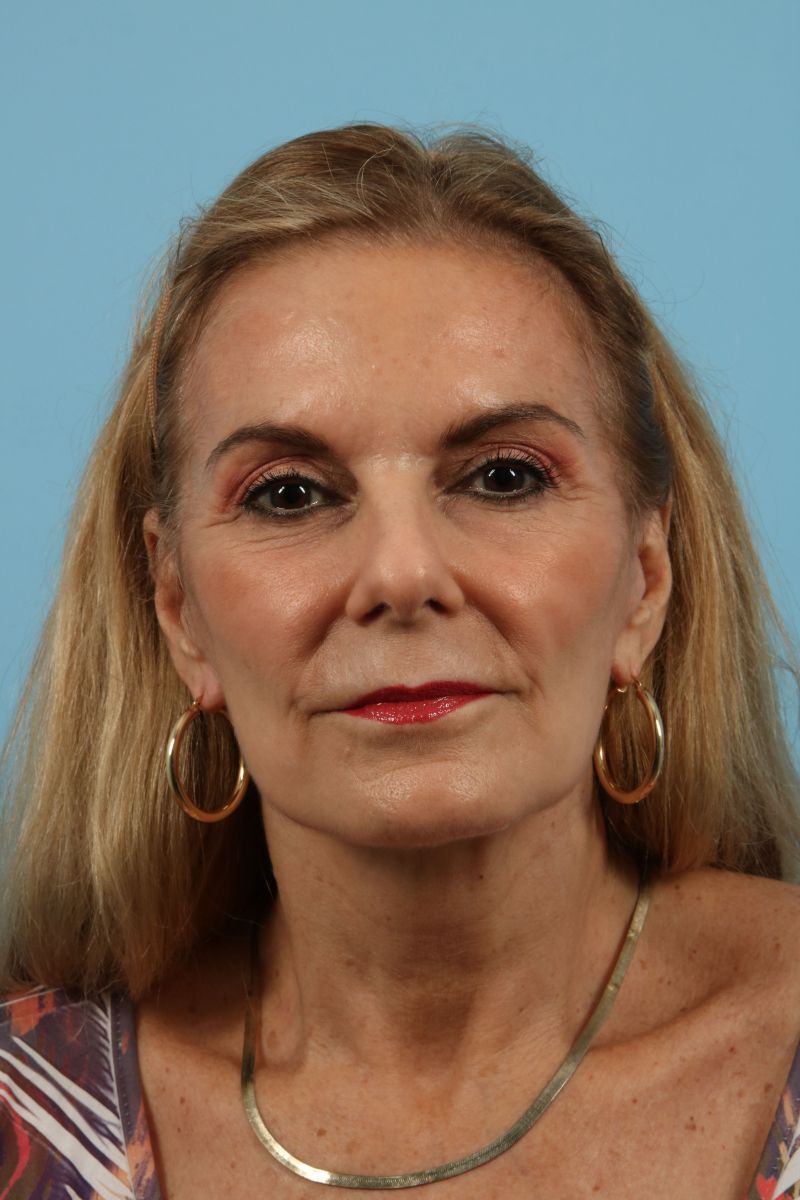
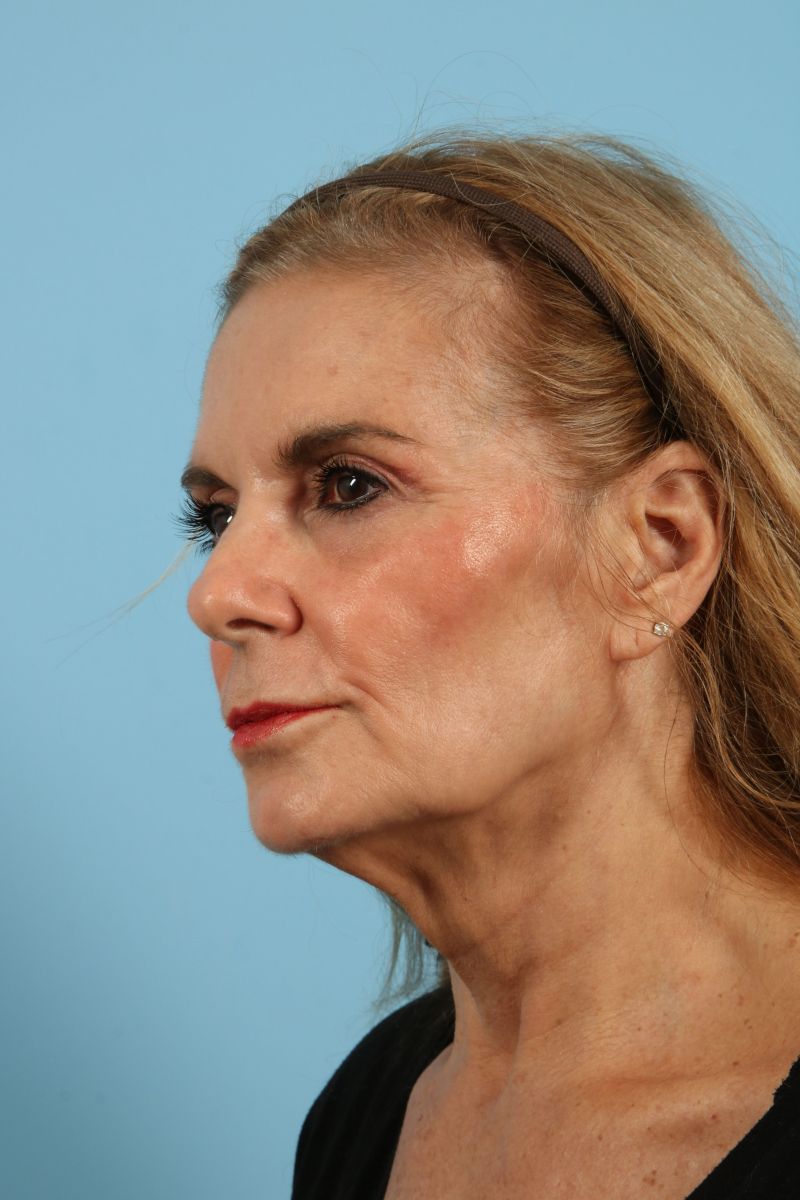
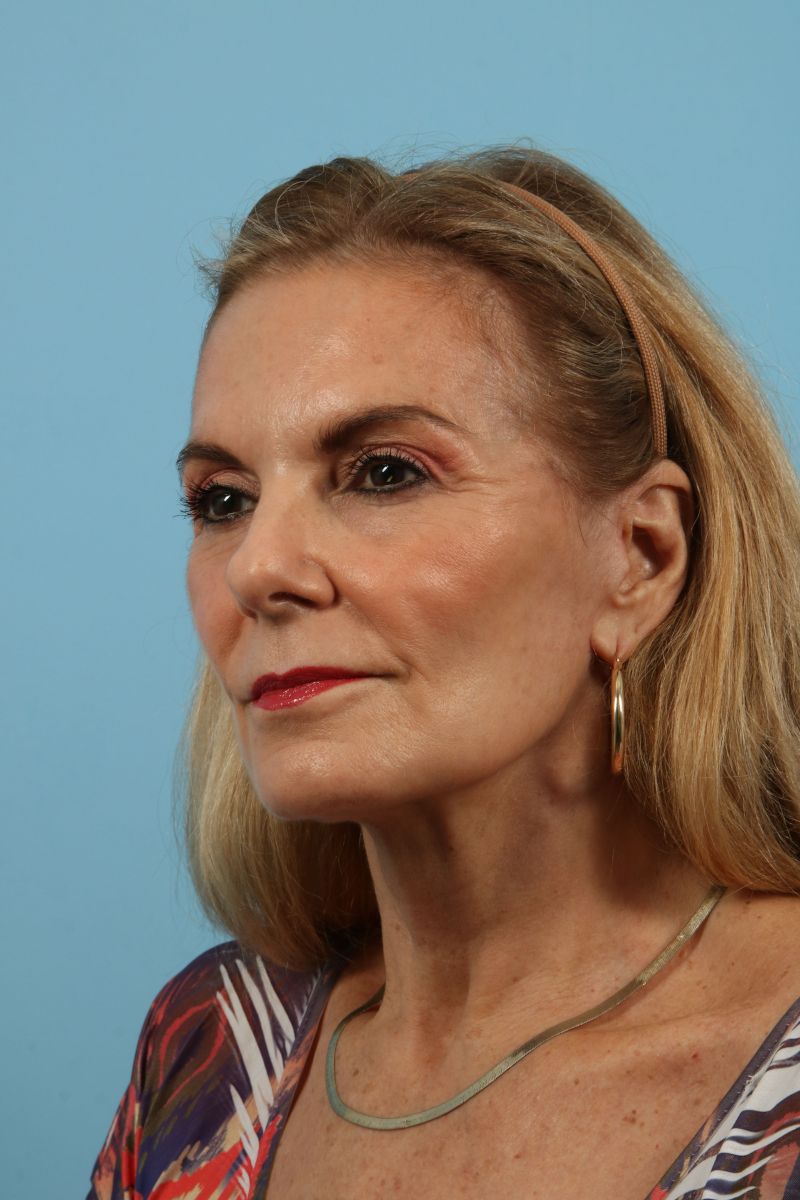
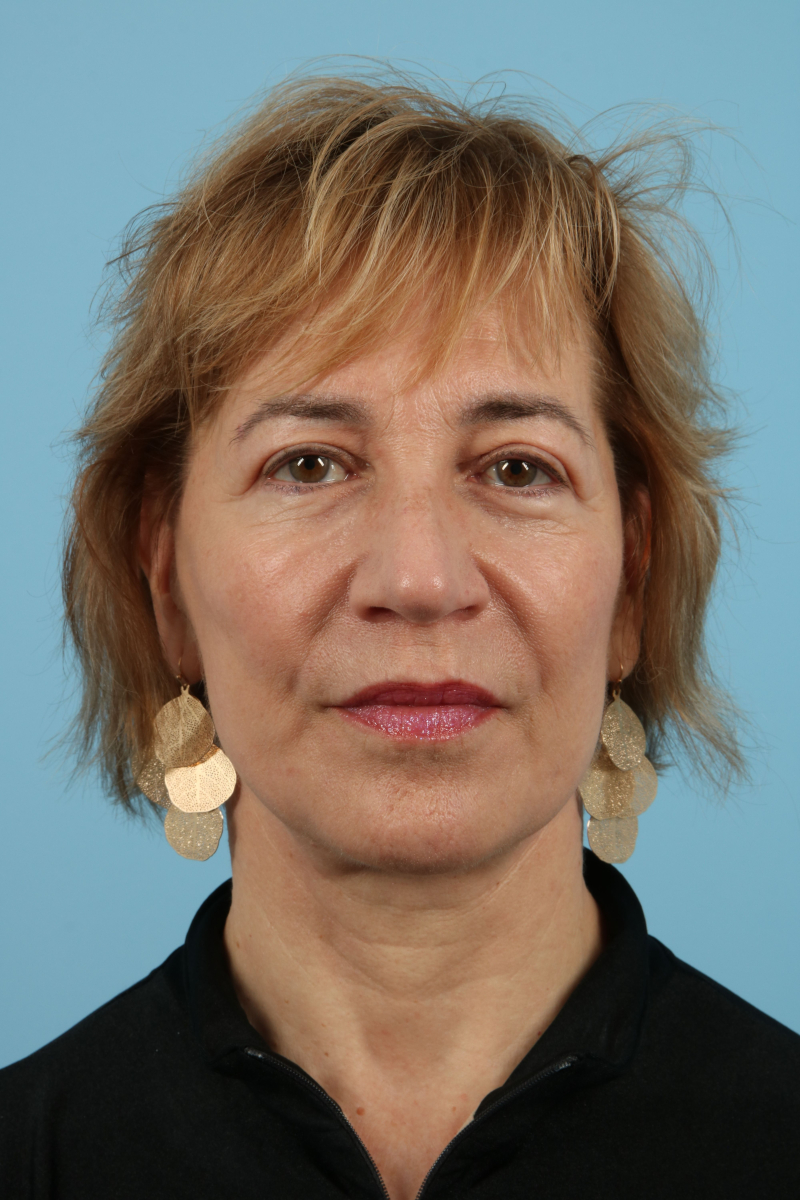
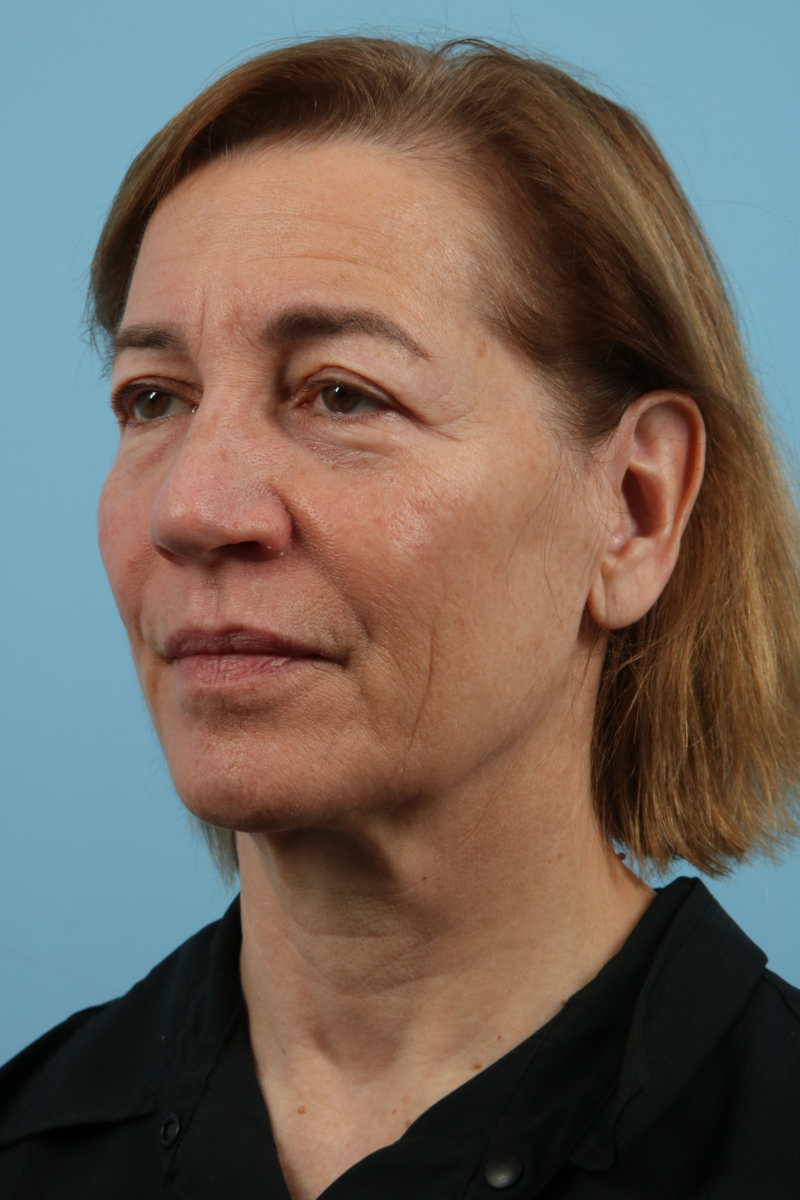
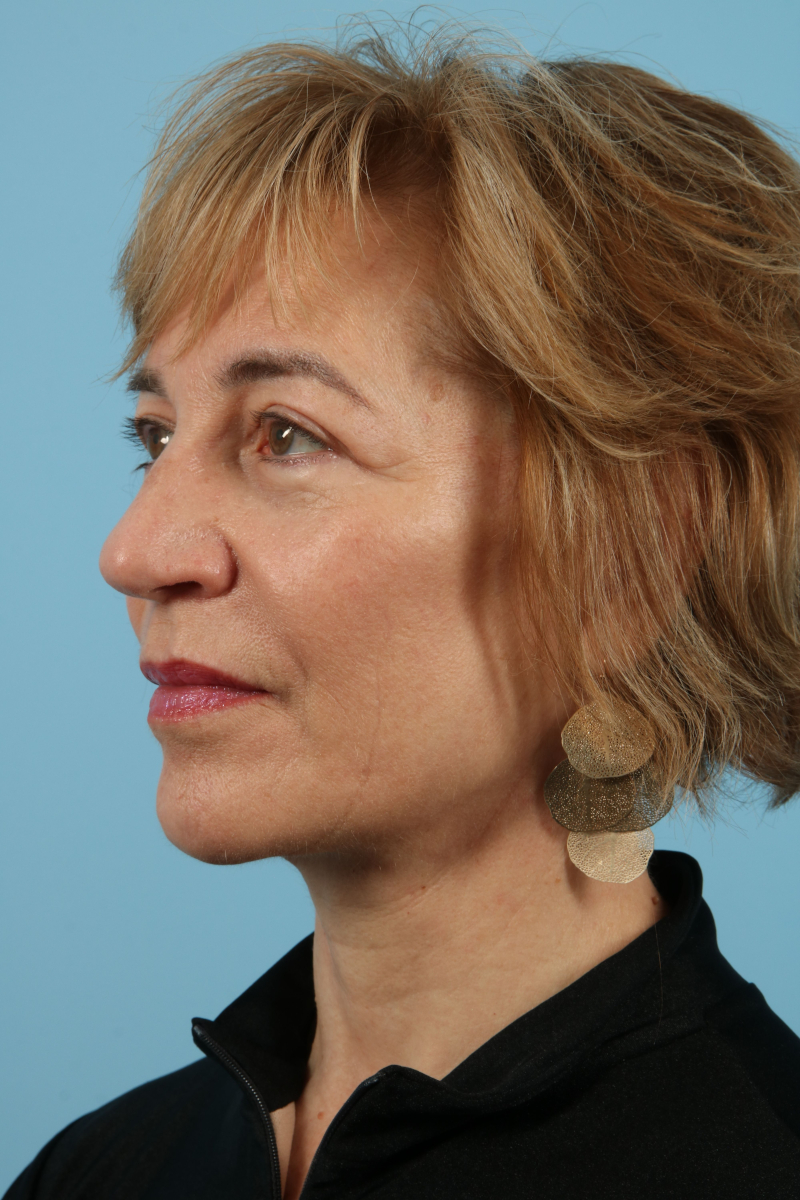
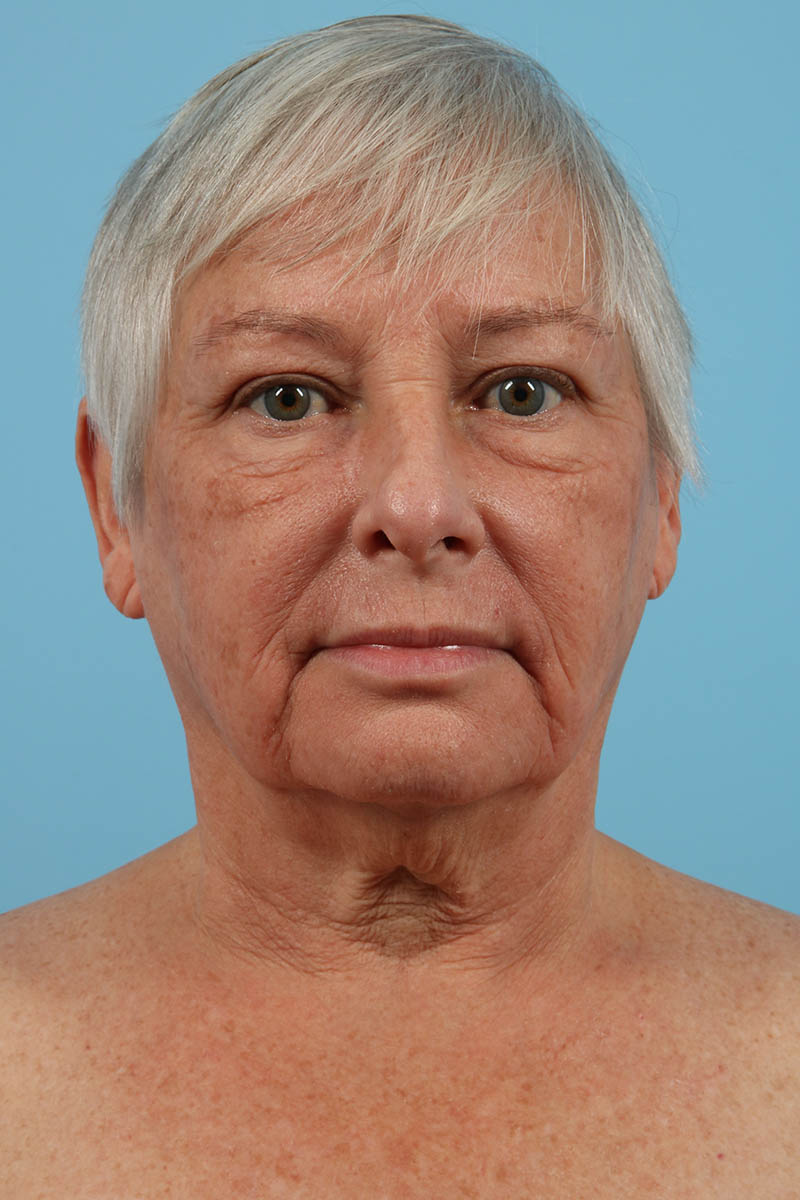
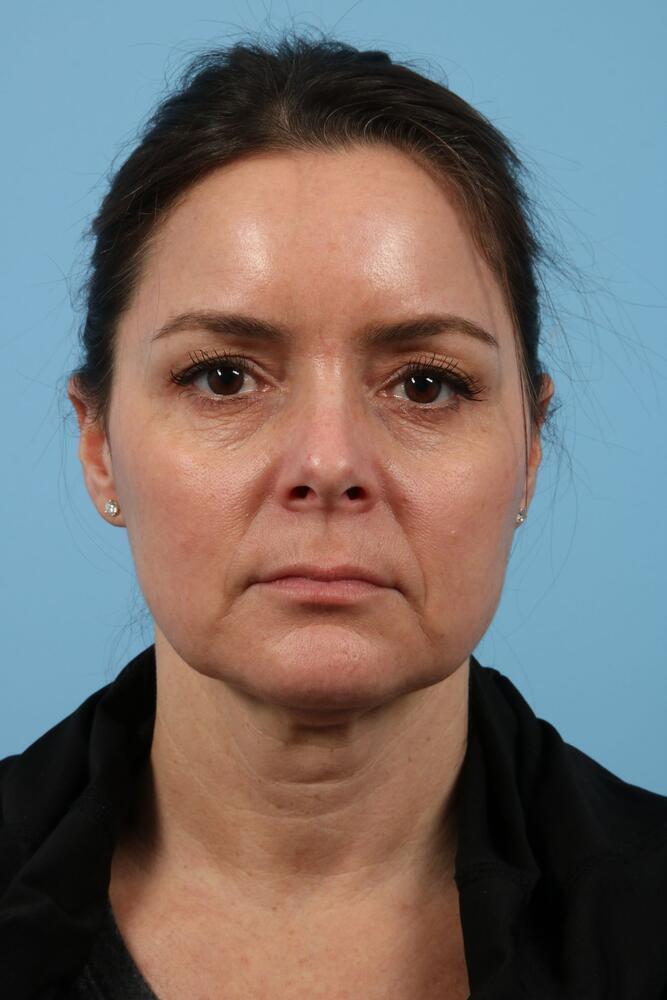
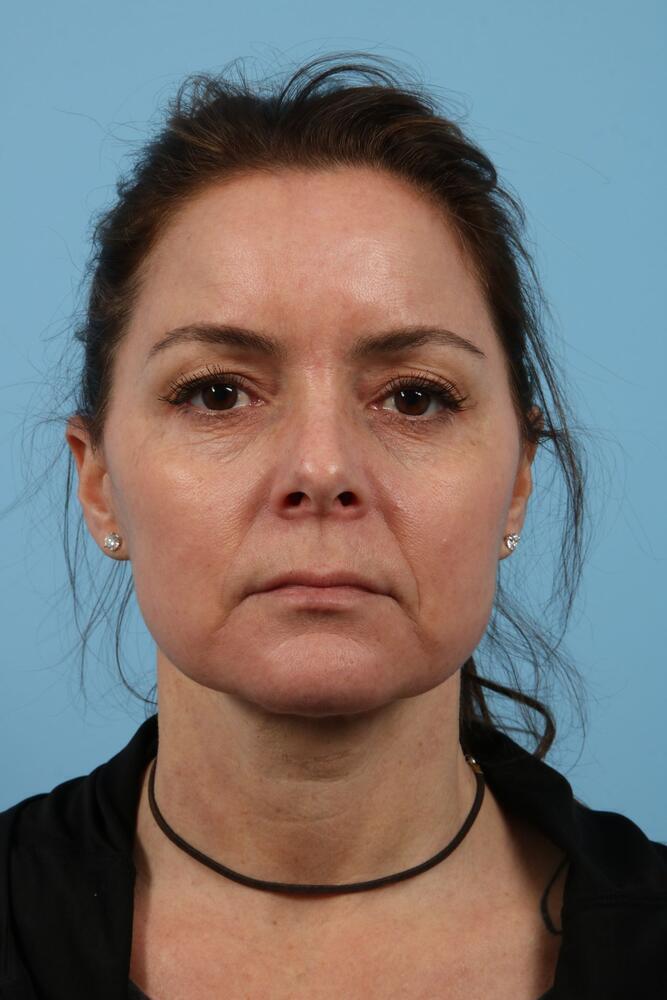
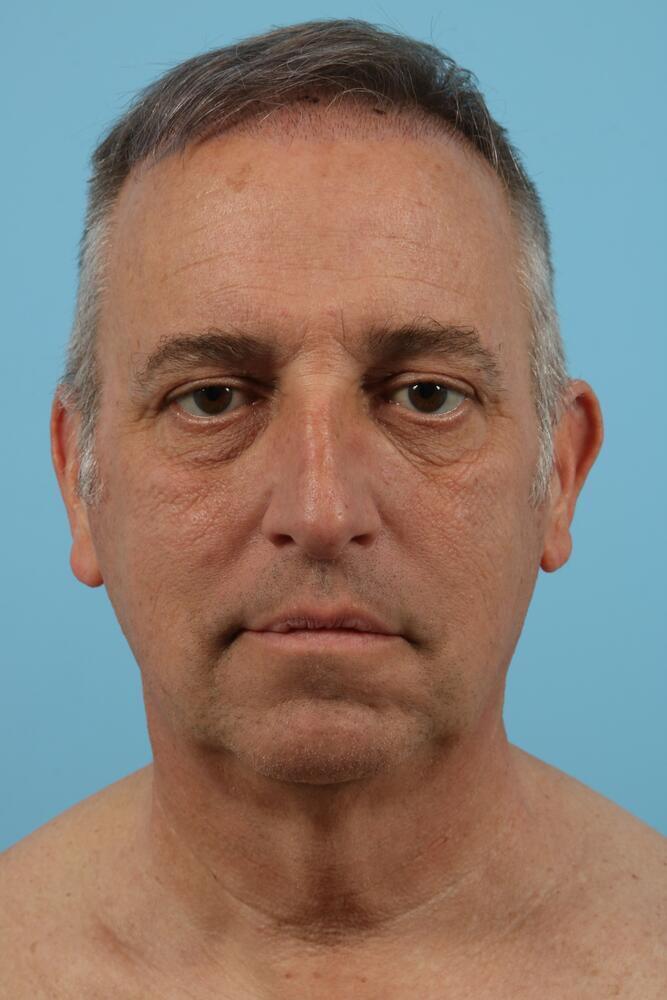
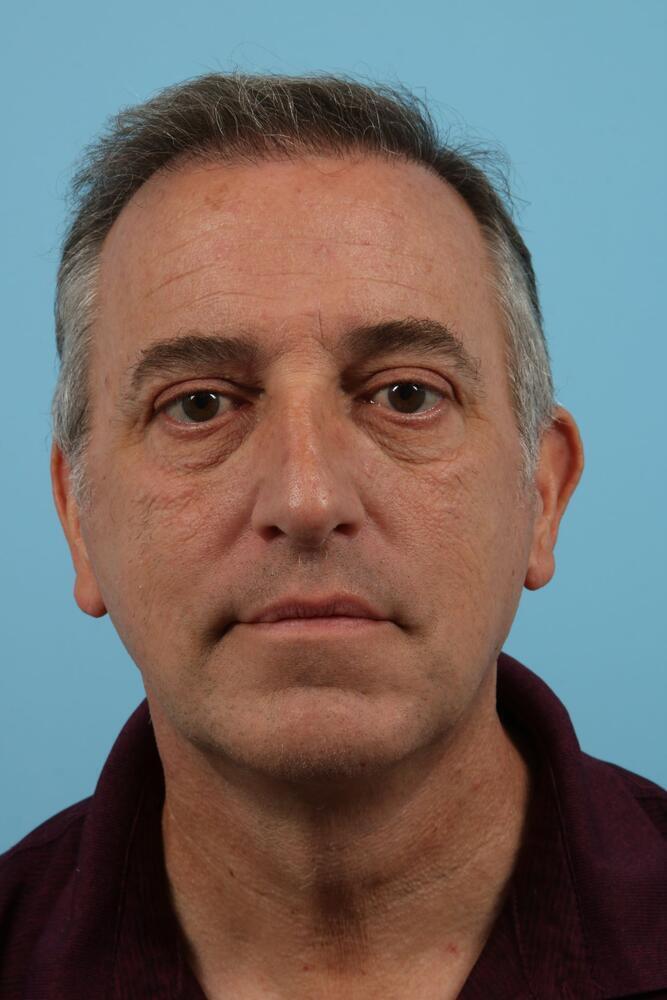
A mini facelift targets early or mild-to-moderate signs of aging in the lower face. It may be appropriate when you notice the beginning of jowls, mild sagging skin, or a less distinct transition between the cheek and jawline. These are among the most common aesthetic concerns for patients who have moved beyond what skincare or nonsurgical treatments can correct but do not need a traditional facelift.
Mini facelift surgery may improve:
A mini lift treats only the areas included in the surgical plan. It does not comprehensively correct advanced cheek descent, substantial neck laxity, deep wrinkles, eyelid aging, or changes in facial skin quality. Those concerns may require another procedure or a coordinated facial rejuvenation plan.
Benefits and Realistic Limits
Mini facelifts offer natural-looking rejuvenation rather than a dramatic change in facial identity. By tightening the SMAS and conservatively redraping the skin, Dr. Augenstein can improve early tissue descent while keeping your facial features expressive and recognizable.
Potential benefits include:
The focused scope also creates clear limitations. A mini facelift may not achieve the desired improvement when facial aging is more advanced. Choosing a limited procedure for substantial sagging skin can leave the cheeks, jawline, and neck looking uneven or undertreated.
Choosing the Right Facelift Procedure
Mini facelift surgery and a traditional facelift address different stages of the aging process. The right choice depends on your facial anatomy and desired degree of correction.
| Mini Facelift | Traditional or Full Facelift | |
|---|---|---|
| Best suited for | Early facial aging | Moderate to advanced facial aging |
| Primary areas | Lower face and jawline | Cheeks, lower face, jawline, and often neck |
| Tissue laxity | Mild to moderate | More substantial |
| Surgical technique | Focused SMAS tightening | More extensive SMAS or deep plane repositioning |
| Incisions | Shorter | More extensive and carefully concealed |
| Recovery period | Generally shorter | Longer and more involved |
| Degree of change | Subtle to Moderate | More comprehensive |
| Longevity | Commonly several years | Generally longer-lasting |
A full facelift may include a SMAS or deep plane facelift technique to reposition the soft tissues through a broader area. Patients with advanced cheek descent, heavier jowls, loose neck skin, or muscle banding may also need neck lift surgery. Dr. Augenstein recommends the least extensive facelift procedure that can reliably accomplish the patient’s goals.
Is This a Right Fit?
Mini facelift candidates typically have mild jowling or early loss of jawline definition with relatively good skin elasticity. Many are younger patients in their 40s or 50s, but age alone does not determine candidacy. Some patients younger than 40 develop early laxity after genetics or significant weight loss, while others maintain strong facial contours well beyond their 50s.
Good candidates should be in overall good health, maintain a stable weight, avoid nicotine, and have realistic expectations about the degree of change possible. Your medical history, previous aesthetic procedures, facial skin quality, and willingness to follow recovery instructions will also be considered.
Some patients who ask about a mini facelift aren’t ready for surgery. Dr. Augenstein may recommend injectables, laser treatment, or other non-invasive services first.
Your Consultation Comes First
There is a lot of misinformation out there about facelift surgery and it can be difficult to know which approach is right for you. You don’t need to figure it out on your own. Dr. Augenstein is an expert in facial rejuvenation and can help determine the approach best suited to your anatomy, goals, and desired results. During your consultation, he’ll evaluate your lower face, jawline, cheeks, neck, facial volume, and skin quality. He will also ask what you see when you look in the mirror and what kind of improvement you hope to achieve.
Previous injectables, weight changes, medical history, nicotine use, and available recovery time can all influence the personalized treatment plan. Dr. Augenstein will explain what a mini facelift can accomplish, where its limitations apply, and whether another facial plastic surgery option would provide a better result.
Preparing for Your Procedure
Dr. Augenstein and his team will provide instructions based on your health and surgical plan. You may need to complete medical testing, stop nicotine use, and adjust prescription medications or supplements before your facelift procedure.
Arrange transportation home and ask a trusted adult to stay with you during the initial recovery period. Fill your prescriptions in advance and prepare a comfortable place to rest with your head elevated. Avoid aspirin, anti-inflammatory drugs, and other over-the-counter medications unless Dr. Augenstein has cleared them, since some products can increase bleeding.
Focused SMAS Tightening
Mini facelift surgery is performed as an outpatient cosmetic surgery procedure under general anesthesia. Dr. Augenstein will review your medical history and surgical plan to ensure you are appropriately prepared for your procedure and anesthesia.
He begins by making shorter incisions around the ears, placing them within natural creases whenever possible. Through these incisions, he performs limited tissue separation and accesses the SMAS muscle layer. The soft tissues are repositioned to reduce early jowling and improve jawline definition. Excess skin is removed conservatively before the facial skin is redraped without excessive tension.
The deeper structures provide the support for the lift. This approach helps the face settle naturally and reduces the tight appearance associated with skin-only facelift techniques.
Carefully Placed Incisions
Mini facelift incisions are shorter than those used for most traditional facelift procedures, but mini facelift surgery is not scarless. The incisions are generally placed around the ears within natural folds and transitions. Their exact length depends on your anatomy and the amount of correction needed.
Scars may initially appear pink, firm, or slightly raised. They soften and fade during the healing process. Careful closure, limited skin tension, sun protection, and appropriate scar care can make mature scars difficult to notice during normal interaction. Dr. Augenstein will monitor your incisions and tell you when to begin any recommended scar treatment.
Guided Recovery
Facelift recovery varies, although mini facelifts typically involve less downtime than full facelift surgery. Swelling, bruising, tightness, numbness, and mild discomfort are expected at first. Dr. Augenstein may prescribe pain medication for the early recovery period, and many patients transition to approved over-the-counter medications within a few days.
Rest with your head elevated and follow instructions for medication, dressings, and incision care. Light walking supports circulation, but strenuous activity should be avoided. A trusted adult should be available to help at home.
Bruising and swelling gradually improve. Most patients feel comfortable returning to desk work and light activities within one to two weeks, although visible healing varies. Combined treatments, job demands, and individual swelling can affect the timeline.
Activity can increase gradually after Dr. Augenstein clears you. Exercise, heavy lifting, and movements that raise facial pressure remain restricted while the deeper structures heal. Residual swelling, firmness, or altered sensation may continue after you have resumed your usual routine.
The lower face settles into a softer contour, scars continue fading, and the final facelift results become clearer. Regular follow-up visits allow Dr. Augenstein to monitor healing and address questions throughout the recovery period.
Complementary Procedures
Facial rejuvenation may involve the deeper tissues, volume, eyelids, and skin quality. Dr. Augenstein may recommend another procedure when it addresses a concern the mini facelift cannot correct alone.
Dr. Augenstein performs facial fat grafting in conjunction with facelift surgery when volume loss contributes to the patient’s facial aging. The mini facelift repositions descended tissue while fat grafting restores support in areas such as the cheeks, temples, or under-eyes.
Laser resurfacing improves fine lines, sun damage, uneven tone, and rough texture. Dr. Augenstein may coordinate laser treatment during the same general recovery period so the facial skin can improve while the deeper structures continue healing.
Blepharoplasty can improve excess upper-eyelid skin or lower-eye bags, while a brow lift addresses a low or heavy brow. These procedures may be included when upper-face aging contributes to a tired appearance that a mini facelift won’t change.
Neck lift surgery may be recommended when loose skin or underlying muscle laxity extends beneath the jaw. If several areas require substantial correction, a full facelift with a neck lift may create a more cohesive result.
Results Develop Over Time
Mini facelift results often last approximately five to 10 years, although longevity varies. Skin quality, surgical technique, sun exposure, nicotine use, weight changes, genetics, and the extent of correction all affect how the result holds over time.
Neither a mini facelift nor a traditional facelift stops the natural aging process. Your face will continue to change over time, but the results of your facelift are designed to age naturally with you. As new signs of aging develop, some patients may eventually choose to undergo additional facial rejuvenation surgery.
Safety Considerations
The smaller scope of a mini lift does not eliminate surgical risk. Potential complications include infection, bleeding, hematoma, delayed healing, unfavorable scarring, asymmetry, numbness, facial nerve injury, hairline changes, and anesthesia related complications.
Dr. Augenstein will review these risks and explain how your health and medical history affect them. Careful patient selection, meticulous surgical technique, an accredited facility, and close postoperative follow-up all support safer healing.
Personalized Surgical Pricing
Mini facelift cost depends on the extent of lower-face correction, anesthesia, facility fees, and the complexity of the surgical plan. Adding facial fat grafting, eyelid surgery, a brow lift, neck lift surgery, or coordinated laser resurfacing will also affect the total.
Following your consultation, Aesthetic Surgery of Charlotte will provide a personalized estimate. Financing options may be available for qualified patients.
Facial Surgery Expertise
Dr. Adam C. Augenstein is a double board-certified facial plastic surgeon, certified by both the American Board of Plastic Surgery and the American Board of Otolaryngology–Head & Neck Surgery. His training in both fields gives him a detailed understanding of facial anatomy, the underlying muscle and support systems, and the structural changes that contribute to jowling and loose skin.
Over nearly two decades, Dr. Augenstein has performed more than 6,500 procedures. His facial plastic surgery experience includes mini, SMAS, and deep plane facelift techniques. This range allows him to select the appropriate level of correction instead of applying the same operation to every patient.
Dr. Augenstein is also known for honest recommendations. He will tell you when a mini facelift is likely to work, when a traditional facelift would provide a better result, and when surgery is premature. Facelift surgery is performed in Aesthetic Surgery of Charlotte’s private, QUAD A-accredited facility in Charlotte, with close follow-up throughout recovery.
Planning Facial Surgery Away From Home
Aesthetic Surgery of Charlotte welcomes mini facelift patients from across the Carolinas and the country. The practice is approximately 18 miles from Charlotte Douglas International Airport. Once your surgery is scheduled, the team can help you understand the travel and recovery requirements. Out-of-town facelift patients should plan to remain in Charlotte for at least one week so Dr. Augenstein can monitor the early healing process before clearing them to return home.
Schedule Your Consultation
You don’t need to determine whether you need a mini facelift, full facelift, or nonsurgical treatment on your own. Dr. Augenstein will evaluate your facial anatomy, listen to what you would like to improve, and explain which approach offers an appropriate level of correction.
Schedule a private consultation at Aesthetic Surgery of Charlotte to receive an honest recommendation and a treatment plan created specifically for you.
The terms are sometimes used interchangeably, but their meaning varies between plastic surgeons. In Dr. Augenstein’s practice, a mini facelift is a focused procedure for early jowling and mild lower-face laxity using shorter incisions and targeted SMAS tightening.
A mini facelift primarily treats the lower face and jawline. It may improve the transition into the upper neck, but significant loose skin or muscle banding requires direct treatment. Dr. Augenstein may recommend neck lift surgery or a more comprehensive facelift when the neck is a primary concern.
A mini facelift uses focused SMAS tightening to address early lower-face aging. A deep plane facelift involves broader release and repositioning of deeper structures and can treat more advanced changes through the cheeks, jawline, and neck.
Botox addresses muscle movement, fillers restore volume, and lasers improve facial skin quality. These nonsurgical treatments cannot reposition descended SMAS tissue or remove excess skin. They may still be appropriate before facelift surgery is needed or as part of a longer-term facial aesthetics plan.
There is no required age. Many mini facelift patients are in their 40s or 50s, but candidacy depends on early jowling, skin elasticity, jawline definition, overall health, and desired improvement.
Some patients later choose full facelift surgery as the aging process continues, but future surgery is not automatic. The timing depends on how your facial appearance changes and how long you remain satisfied with your mini facelift results.
Mini facelift surgery is considered cosmetic and is not covered by health insurance. The practice will provide an individualized quote after your consultation and can discuss available financing options.
For the highest quality care and results, book your consultation with Dr. Augenstein at Aesthetic Surgery of Charlotte. We can’t wait to help you realize your best life.